Data Drift vs Concept Drift
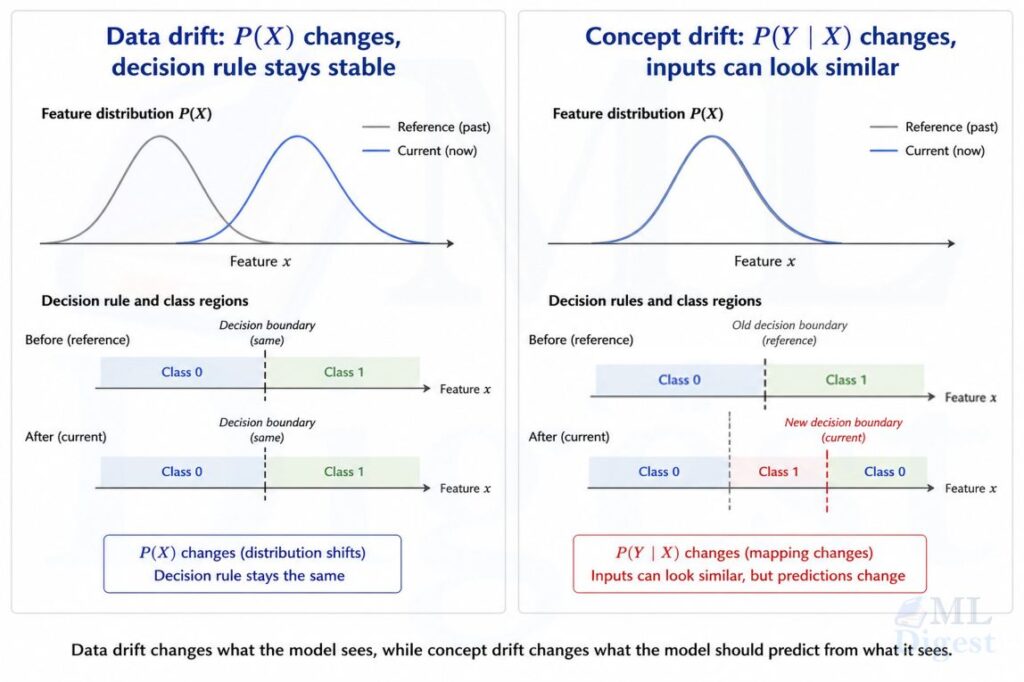
Consider a spam filter trained in 2010. By 2020, users receive far more promotional newsletters than before. The types of […]
Data Drift vs Concept Drift Read More »
Core ML Concepts
Consider a spam filter trained in 2010. By 2020, users receive far more promotional newsletters than before. The types of […]
Data Drift vs Concept Drift Read More »
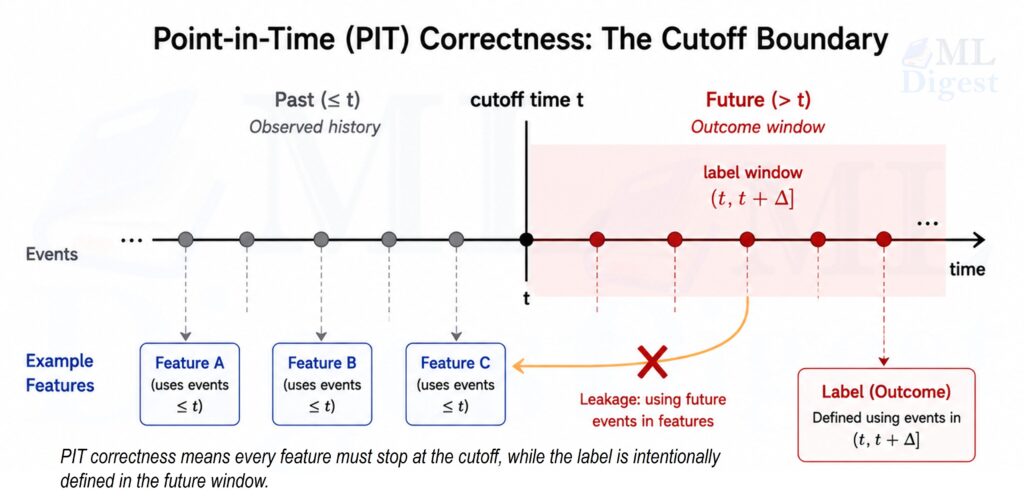
Imagine a model that predicts loan defaults. During training, the pipeline pulls account_balance from the warehouse today, but the examples
Point-in-Time Correctness (PIT): How to Prevent Time Travel in ML Data Read More »
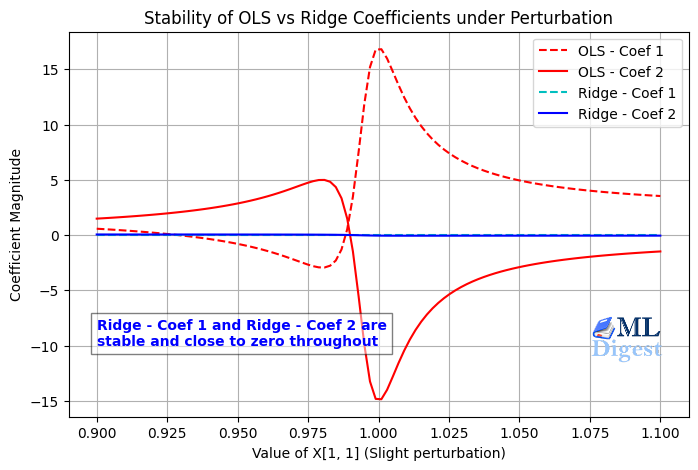
When two or more features in a regression model are highly correlated, it becomes difficult to determine their individual impact.
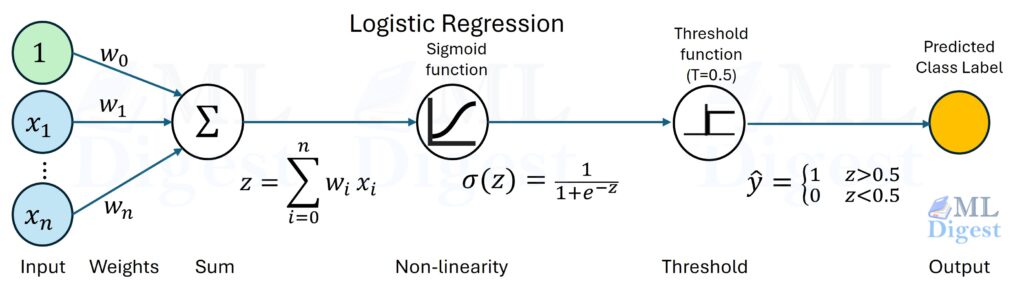
Logistic regression is a probabilistic linear classifier. It starts with a linear score, converts that score into a probability for
Logistic Regression Demystified: A Practical Guide to Binary Classification Read More »
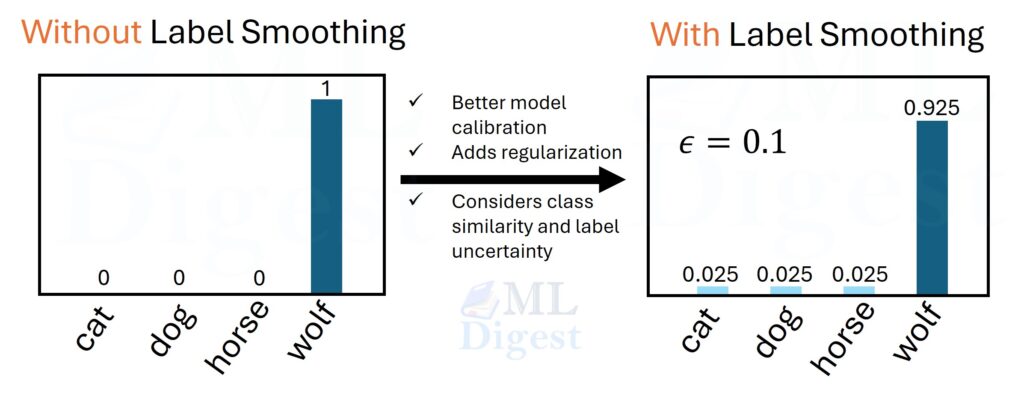
Imagine a teacher grading a multiple-choice exam. If the teacher says, “Only this one answer has any value, and all
Label Smoothing: Intuition, Mathematics, Gradients, and Practical Use Read More »
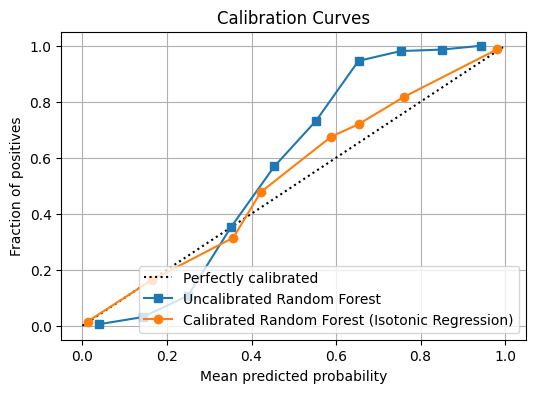
1. The Intuition: The Overconfident Weather Forecaster Imagine planning a weekend picnic. You check two weather applications. You cancel the
Model Calibration: When Your Model’s Confidence Actually Matters Read More »
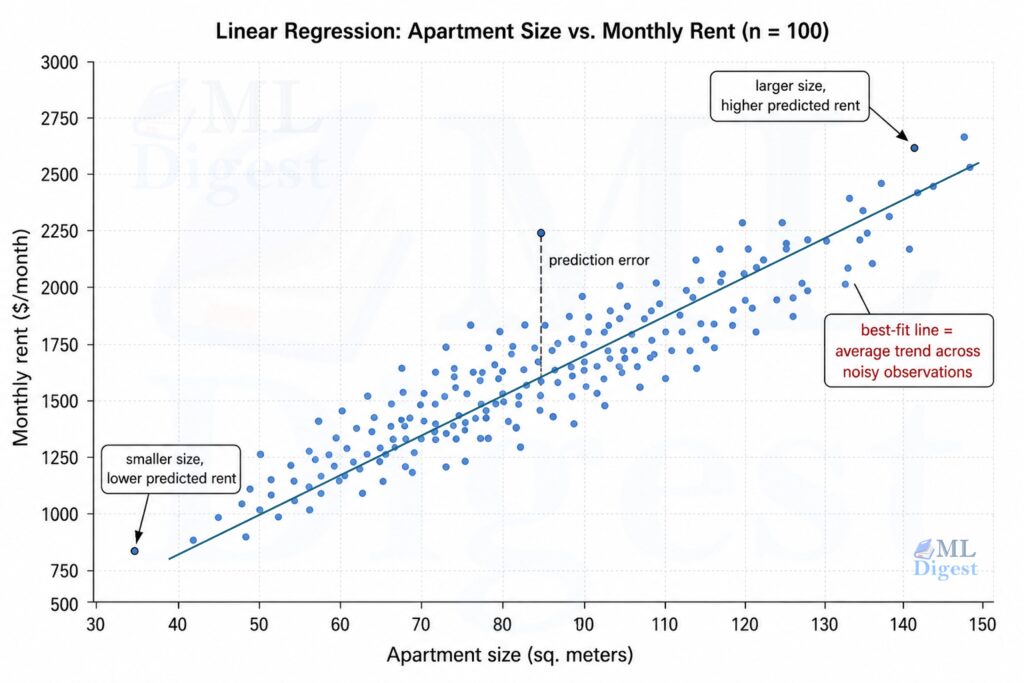
Imagine you are a real estate agent. A client walks in and asks: “How much should I list my house
Linear Regression Made Easy: A Complete Beginner’s Guide Read More »
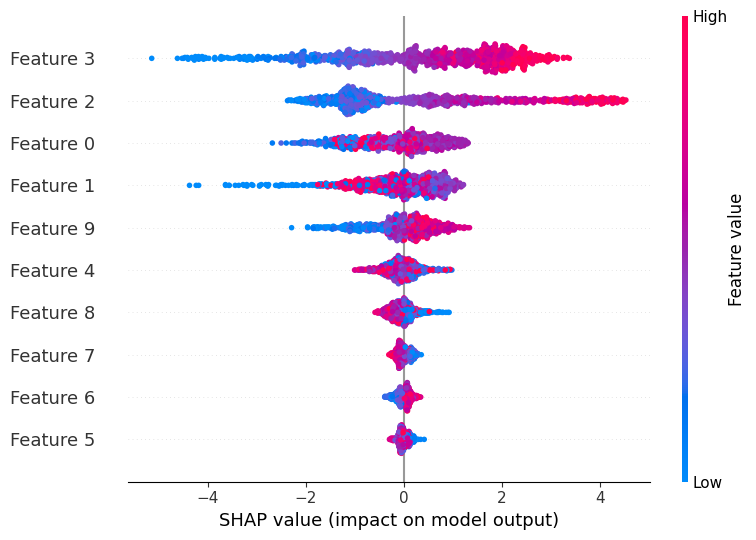
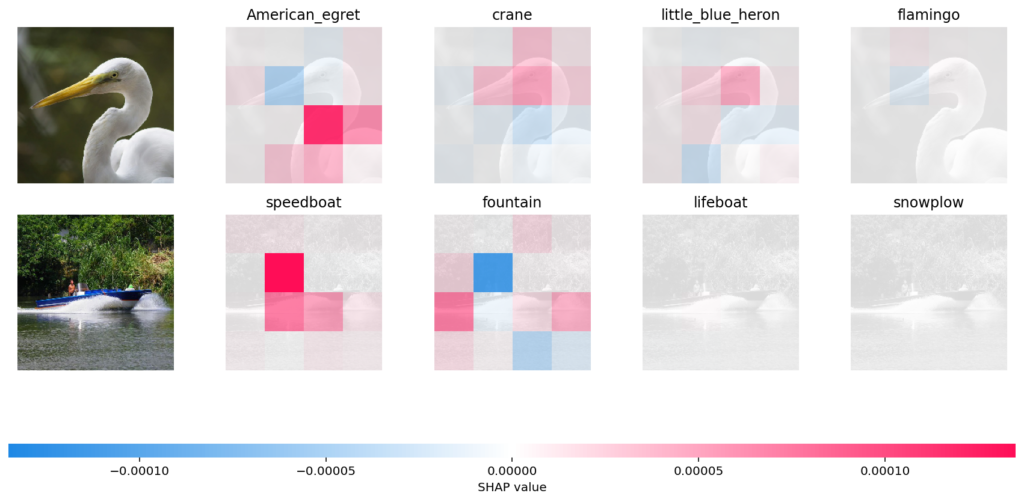
Imagine you have trained a complex gradient-boosted tree to predict house prices. It achieves state-of-the-art accuracy, but when it predicts
SHAP (Shapley Additive Explanations): From Intuition to Implementation Read More »
The variance of a Random Forest (RF) is a critical measure of its stability and generalization performance. While individual decision
How Tree Correlation Impacts Random Forest Variance: A Deep Dive Read More »
AI systems are becoming integral to our daily lives. However, the increasing complexity of many AI models, particularly deep learning,
Explainable AI: Driving Transparency And Trust In AI-Powered Solutions Read More »
Clustering is an unsupervised ML that aims to categorize a set of objects into groups based on similarity. The core
ML Clustering: A Simple Guide Read More »
Anomaly detection, also known as outlier detection, aims at identifying instances that deviate significantly from the norm within a dataset.
Anomaly Detection: A Comprehensive Overview Read More »