
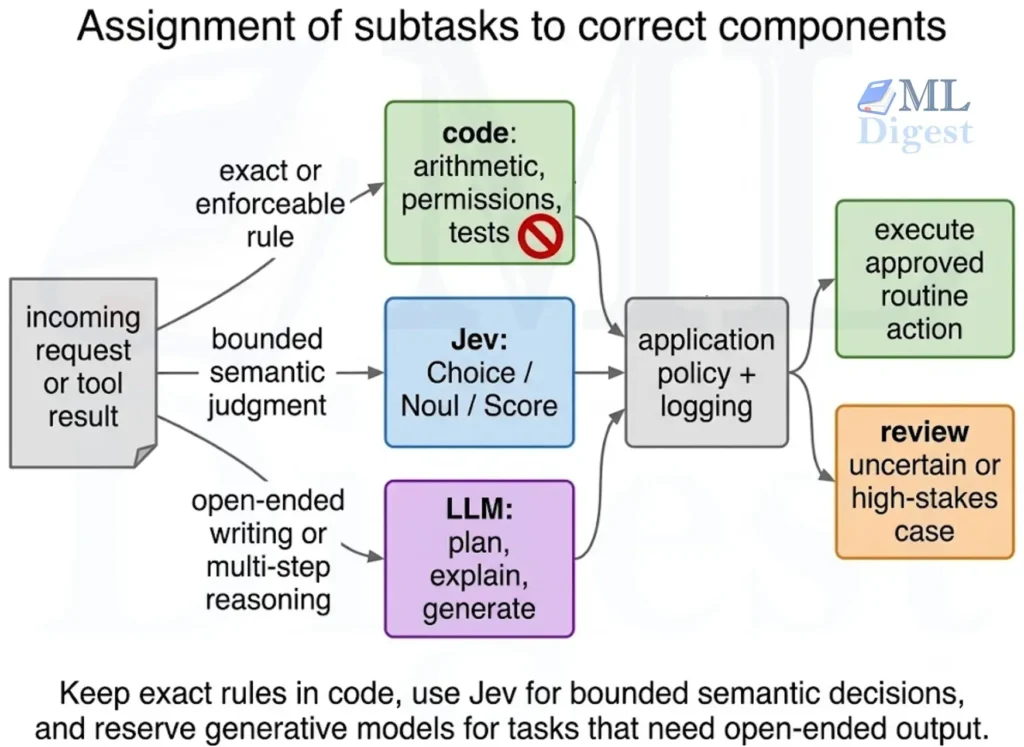
Jev by TypeSafe AI: Fast, Typed Decisions for Classification
Imagine a support system reading a message: “I was charged twice, and I need a person to fix this today.”
Jev by TypeSafe AI: Fast, Typed Decisions for Classification Read More »
Imagine a support system reading a message: “I was charged twice, and I need a person to fix this today.”
Jev by TypeSafe AI: Fast, Typed Decisions for Classification Read More »
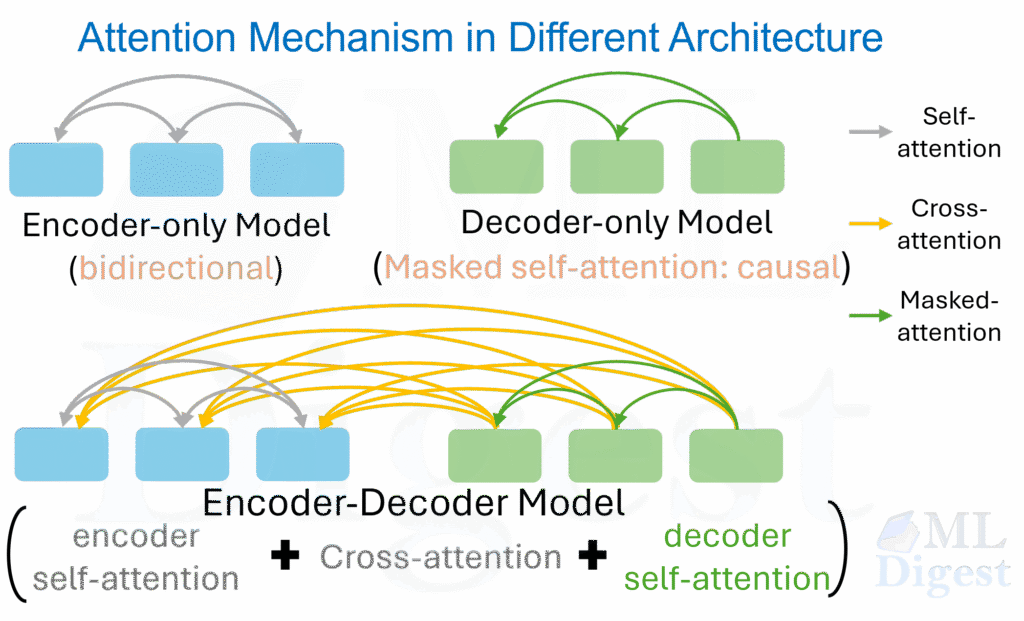
In ML, attention is the mechanism that lets a model decide which pieces of information deserve focus at each step.
Attention Mechanisms Made Easy: All Types Explained in One Post Read More »
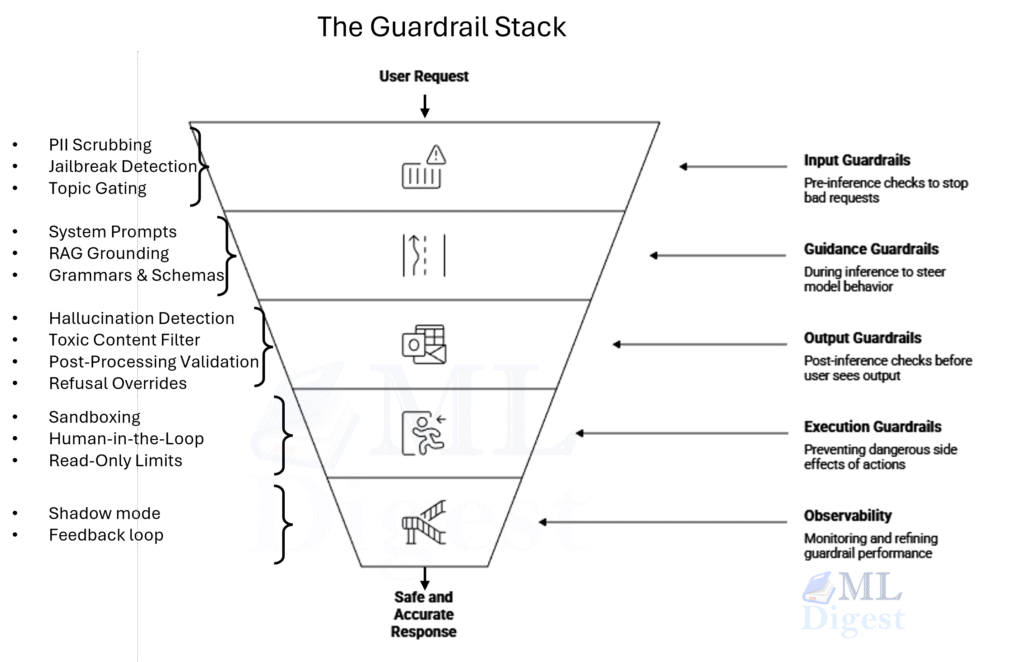
Guardrails are the technical and operational controls that reduce the chance an LLM system causes harm, violates policy, leaks sensitive
Guardrails for LLMs: A Practical, Technical Guide Read More »
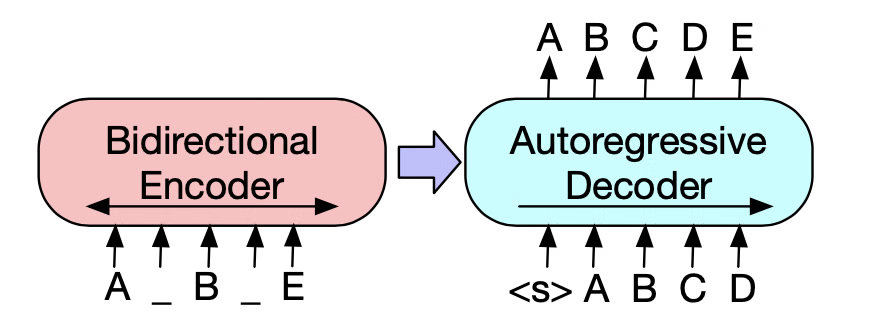
BART is a sequence-to-sequence (encoder–decoder) Transformer pretrained as a denoising autoencoder: it learns to reconstruct clean text $x$ from a
BART (Bidirectional and Auto-Regressive Transformers) Read More »
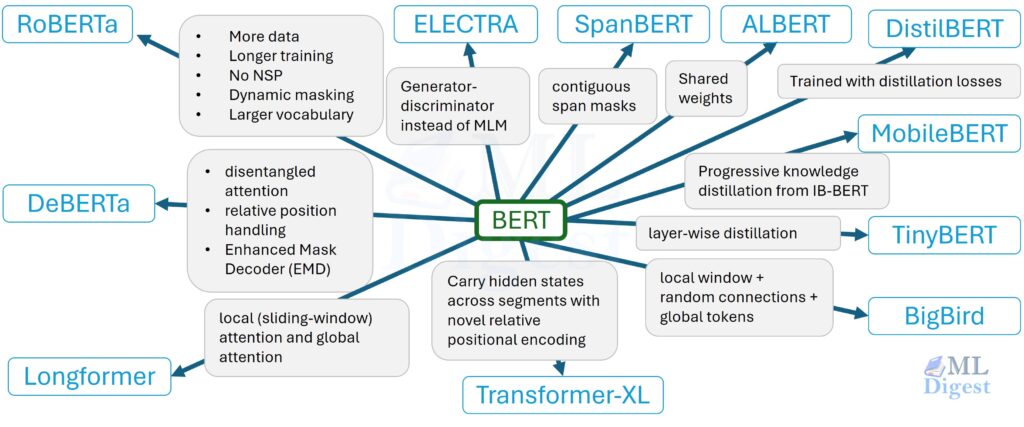
Think of BERT as a strong, general-purpose “reader” that turns text into contextual vectors. The moment you move from a
BERT Variants: A Practical, Technical Guide Read More »
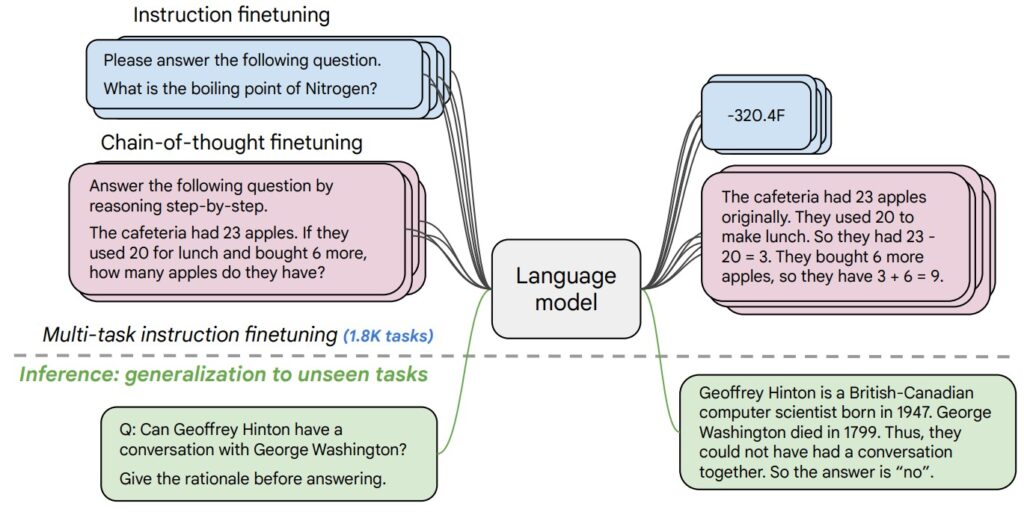
Imagine a student who has memorized an entire textbook, but only answers questions when they are phrased exactly like the
FLAN-T5: Instruction Tuning for a Stronger “Do What I Mean” Model Read More »
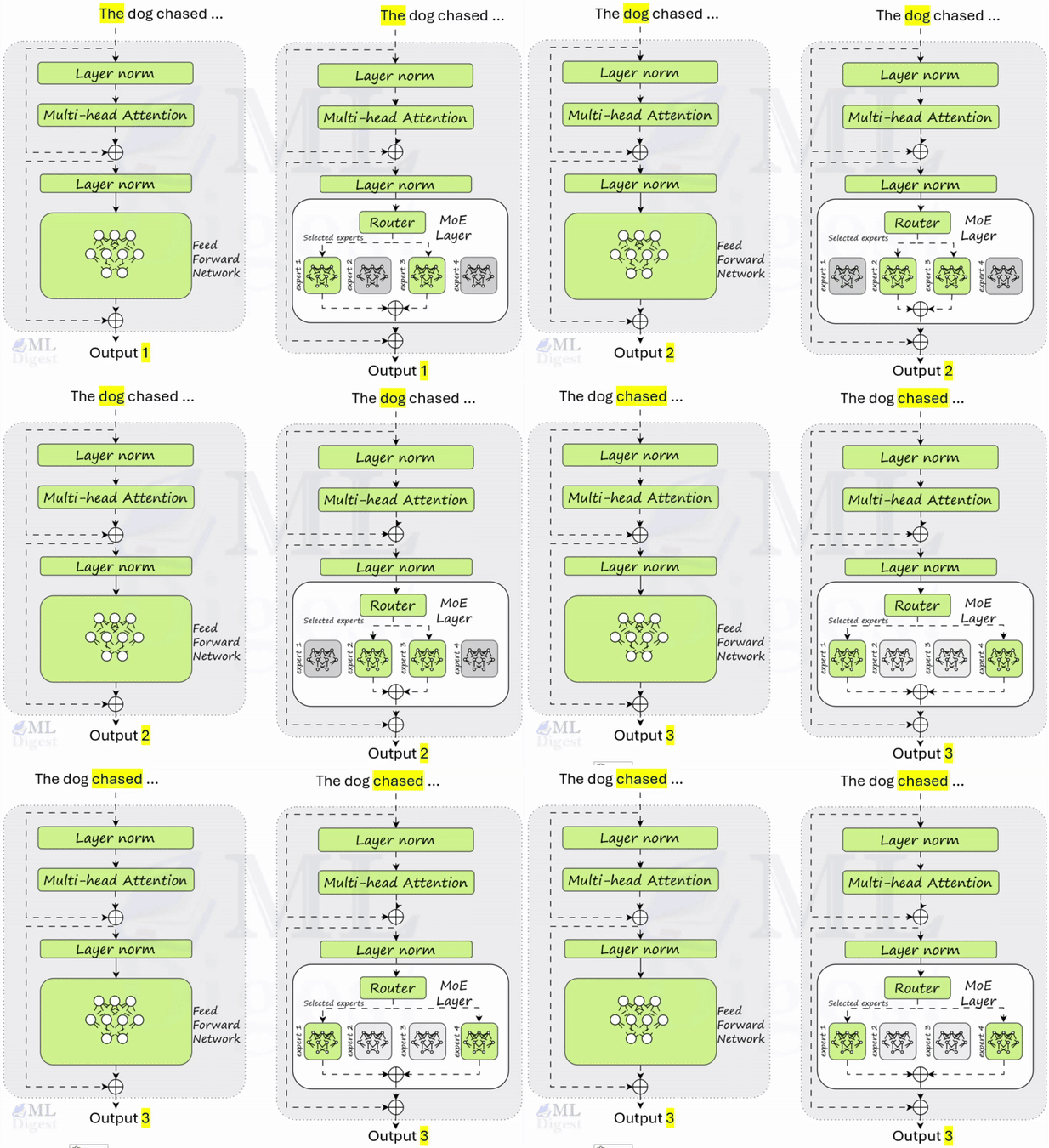
Imagine you are building a house. You could hire one master builder who knows everything about construction, from plumbing and
Mixture of Experts (MoE): Scaling Model Capacity Without Proportional Compute Read More »
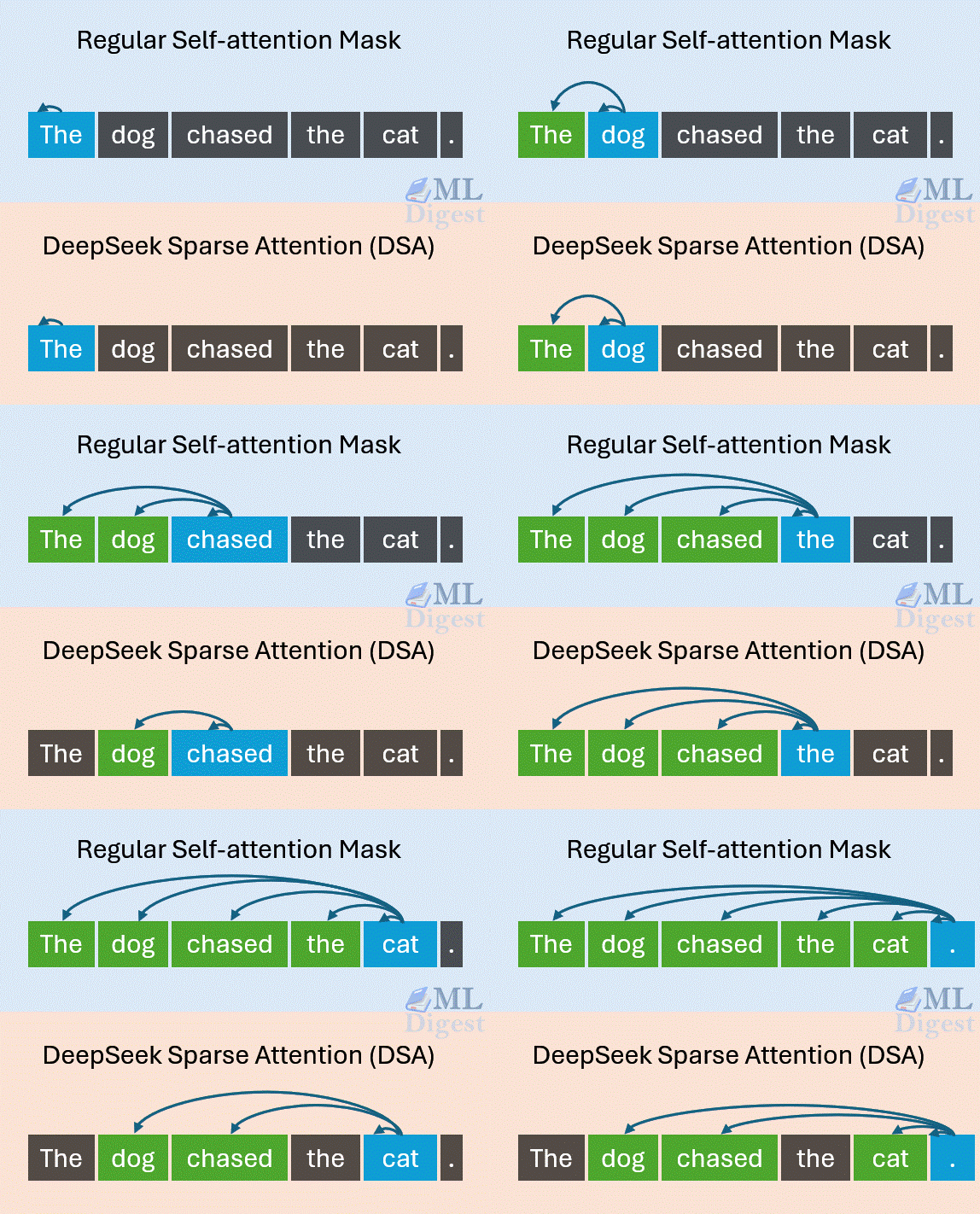
DeepSeek V3.2 is one of the open-weight models that consistently competes with frontier proprietary systems (for example, GPT‑5‑class and Gemini
DeepSeek V3.2: Architecture, Training, and Practical Capabilities Read More »
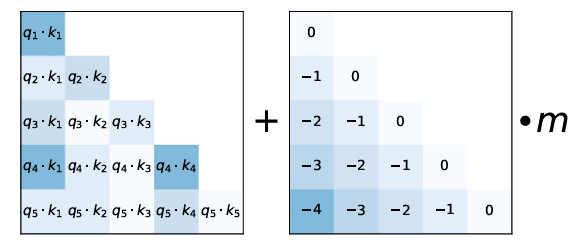
Imagine you are reading a mystery novel. The clue you find on page 10 is crucial for understanding the twist
ALiBi: Attention with Linear Biases Read More »
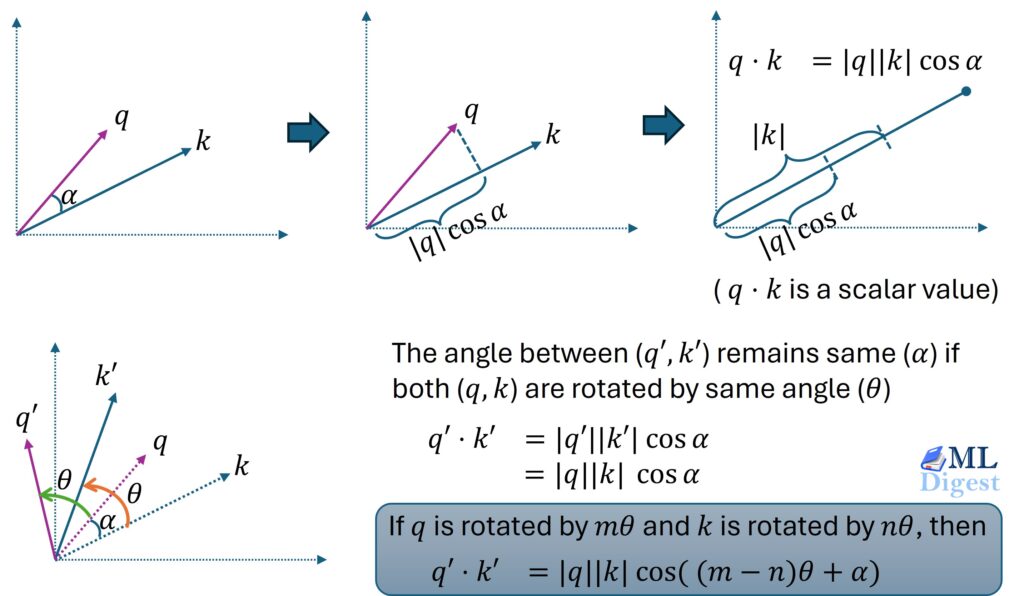
Rotary Positional Embeddings represent a shift from viewing position as a static label to viewing it as a geometric relationship. By treating tokens as vectors rotating in high-dimensional space, we allow neural networks to understand that “King” is to “Queen” not just by their semantic meaning, but by their relative placement in the text.
RoPE Made Easy: Understanding Rotary Positional Embeddings Step by Step Read More »
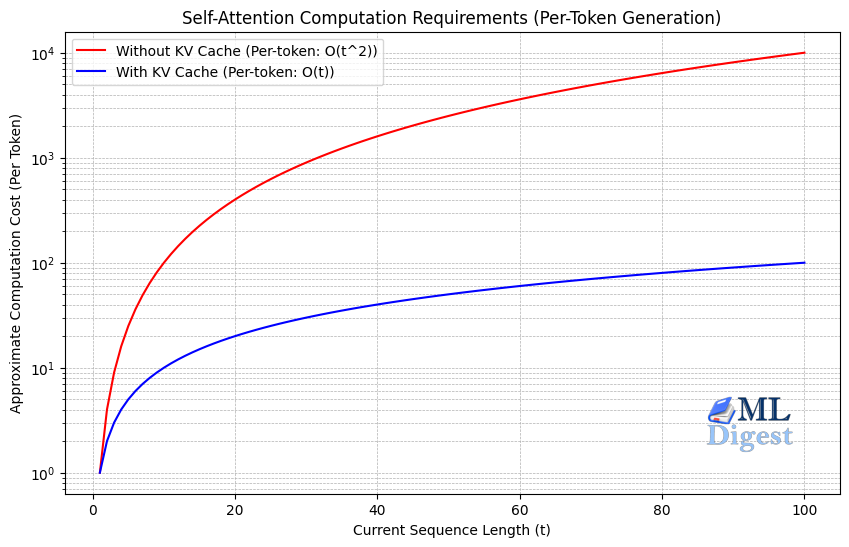
For Large Language Models (LLMs), inference speed and efficiency are paramount. One of the most critical optimizations for speeding up text generation is KV-Caching (Key-Value Caching).
KV Caching Made Simple: The Key To Efficient LLM Inference Read More »
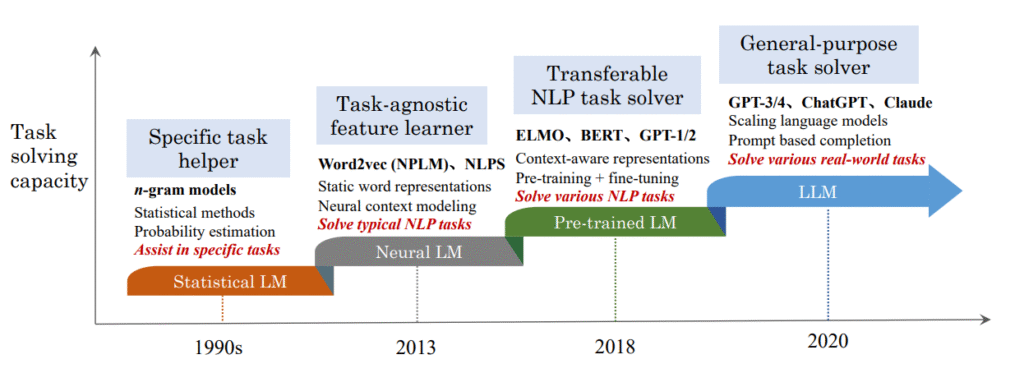
Introduction: The Quest to Understand Language Imagine a machine that could read, understand, and write text just like a human.
How Language Model Architectures Have Evolved Over Time Read More »