
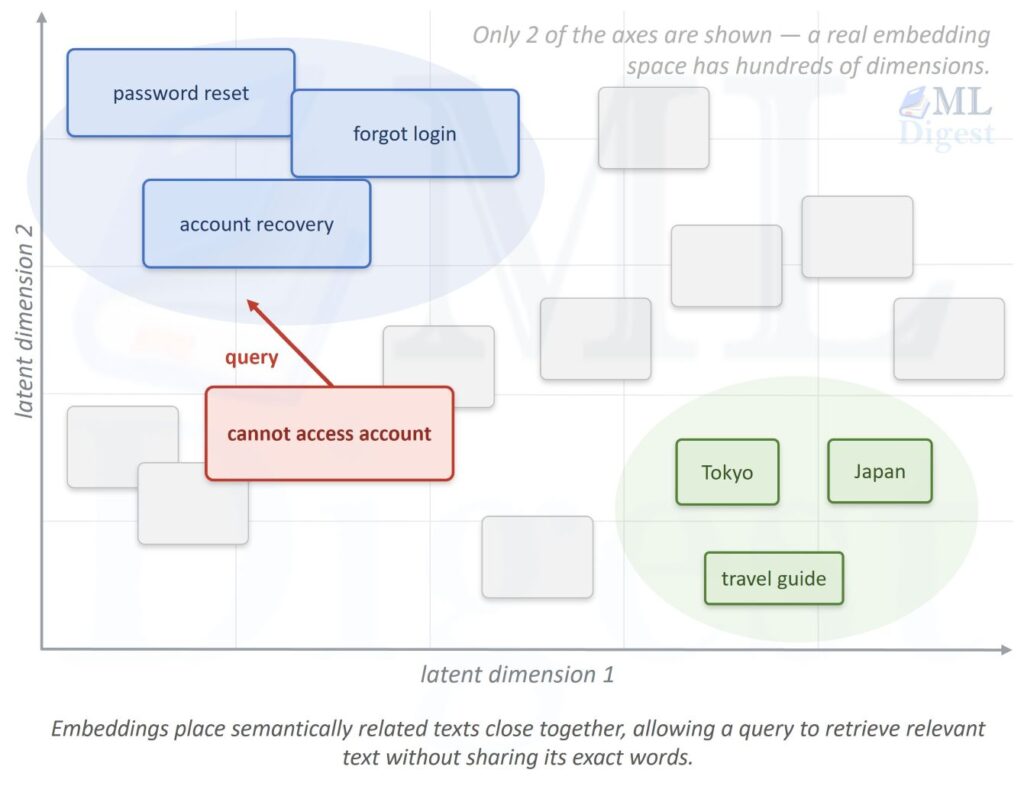
Text Embeddings: Turning Language into Meaningful Vectors
Search breaks down when wording changes but meaning stays the same. A user types “I forgot my credentials,” while the
Text Embeddings: Turning Language into Meaningful Vectors Read More »
Search breaks down when wording changes but meaning stays the same. A user types “I forgot my credentials,” while the
Text Embeddings: Turning Language into Meaningful Vectors Read More »

Document ingestion is the first mile of a Retrieval-Augmented Generation (RAG) system. Before retrieval, chunking, or embedding can work, raw
Document Ingestion: How Data Enters a RAG System Read More »
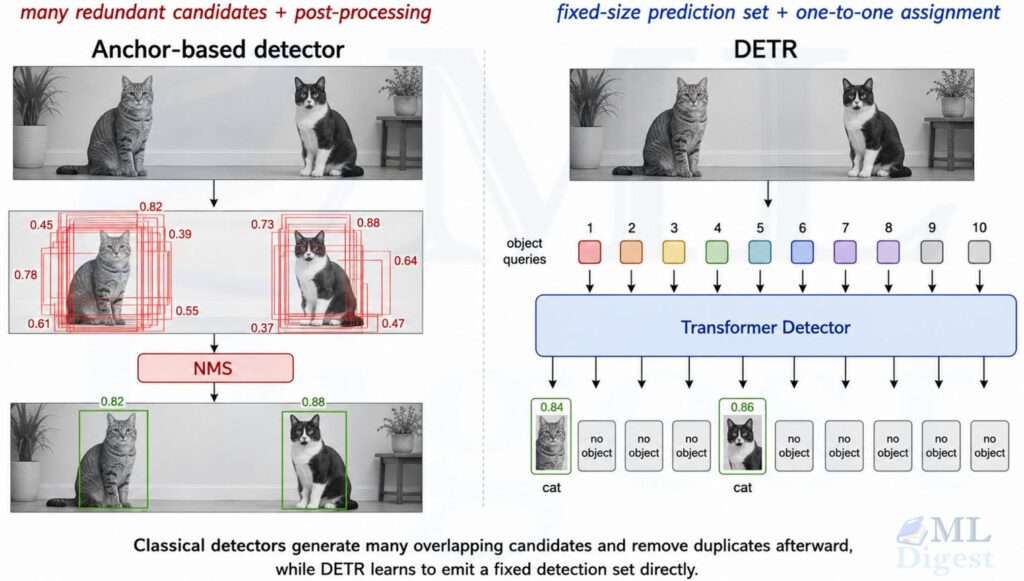
Paper: End-to-End Object Detection with Transformers (Carion et al., 2020) Imagine you are a detective assigned to a crime scene.
Detection Transformers (DETR) Made Easy: End-to-End Object Detection with Transformers Read More »
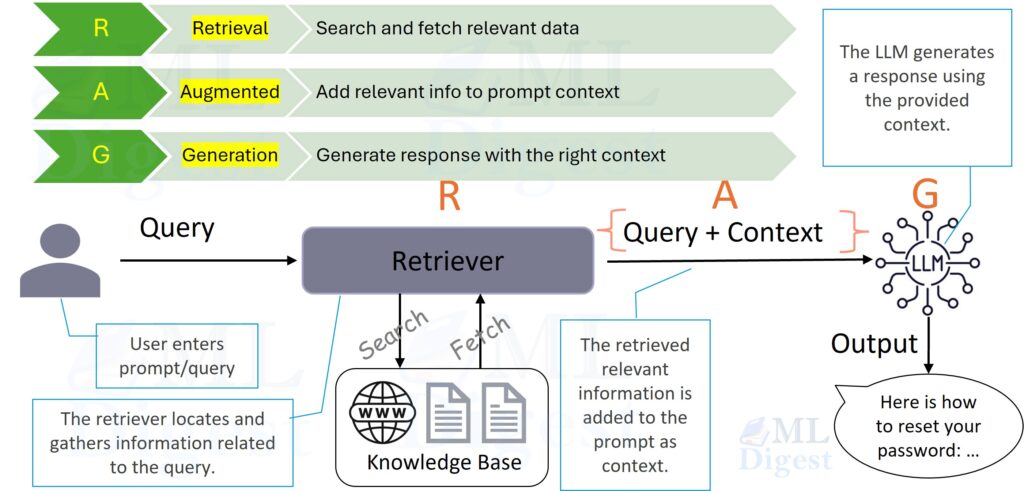
Retrieval-Augmented Generation (RAG) is a technique that acts as an open-book exam for Large Language Models (LLMs). It allows a
Retrieval-Augmented Generation (RAG): A Practical Guide Read More »

Imagine trying to understand a person’s life story just by looking at their credit card statements. You would see transactions—purchases,
What Are Knowledge Graphs? A Comprehensive Guide to Connected Data Read More »
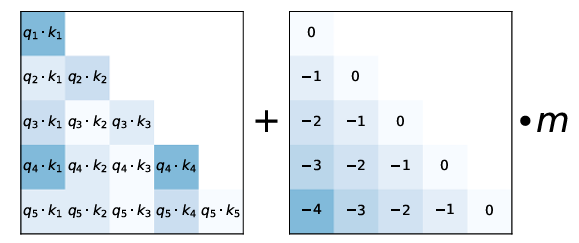
Imagine you are reading a mystery novel. The clue you find on page 10 is crucial for understanding the twist
ALiBi: Attention with Linear Biases Read More »
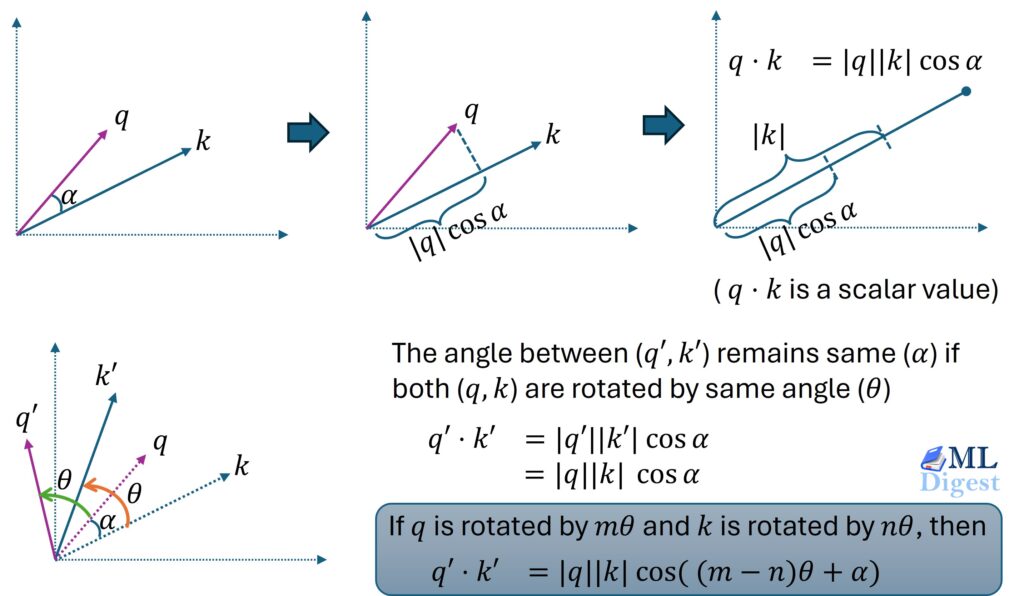
Rotary Positional Embeddings represent a shift from viewing position as a static label to viewing it as a geometric relationship. By treating tokens as vectors rotating in high-dimensional space, we allow neural networks to understand that “King” is to “Queen” not just by their semantic meaning, but by their relative placement in the text.
RoPE Made Easy: Understanding Rotary Positional Embeddings Step by Step Read More »
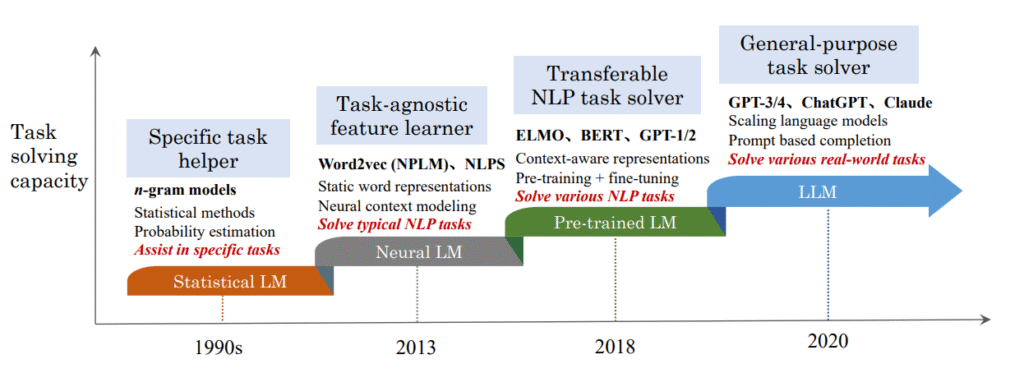
Introduction: The Quest to Understand Language Imagine a machine that could read, understand, and write text just like a human.
How Language Model Architectures Have Evolved Over Time Read More »
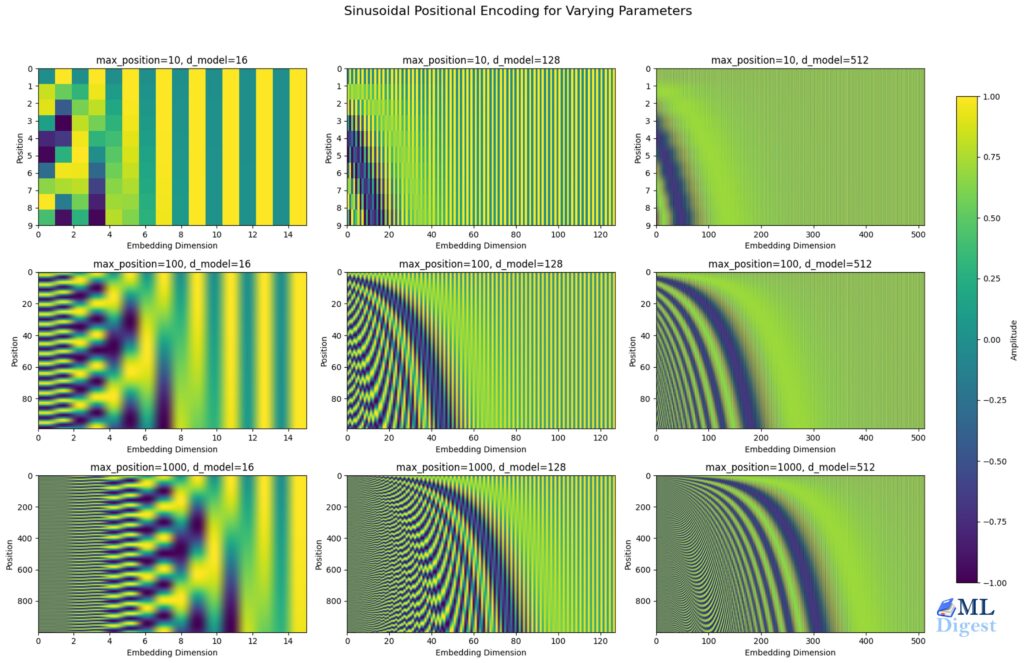
Think of a bookshelf versus a long hallway: absolute positional embeddings (APE) assign each token a fixed “slot” on the shelf, while relative positional embeddings (RPE) care only about the distance between tokens — like how far two people stand in a hallway. This article first builds intuition with simple analogies and visual descriptions, then dives into the math: deriving sinusoidal APE, showing how sin–cos interactions yield purely relative terms, and explaining how RPE is injected into attention (including T5-style relative bias). Practical PyTorch examples are provided so the reader can implement APE and RPE, understand their trade‑offs (simplicity and extrapolation vs. relational power), and choose the right approach for real-world sequence tasks.
A Guide to Positional Embeddings: Absolute (APE) vs. Relative (RPE) Read More »

FastText is a testament to the power of simple ideas. By treating words as compositions of their parts, it elegantly solves the out-of-vocabulary problem and provides a robust way to represent language. Its speed and efficiency, for both embedding generation and classification, make it a go-to tool for NLP practitioners.
What is FastText? Quick, Efficient Word Embeddings and Text Models Read More »
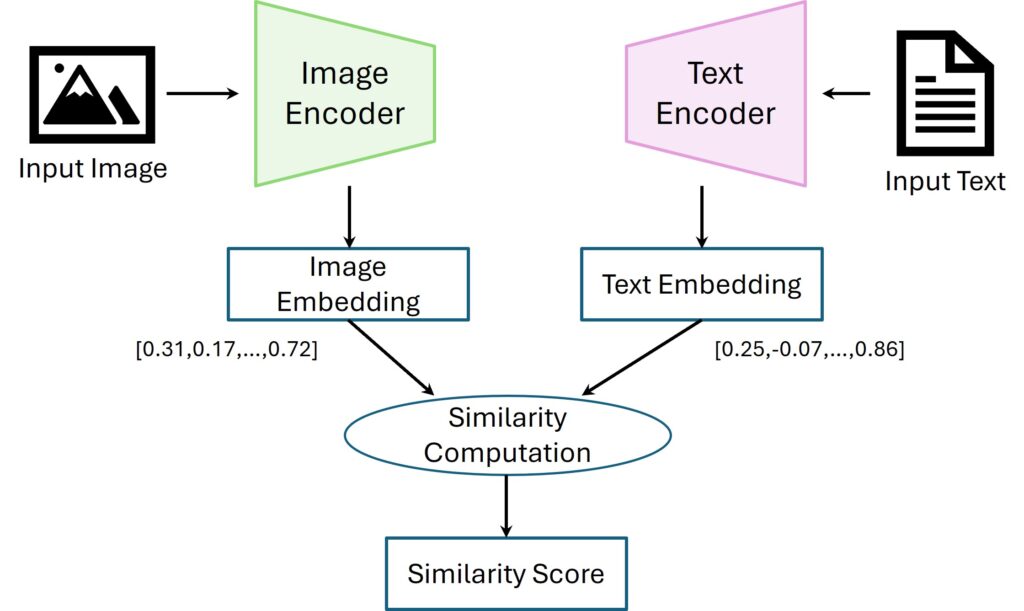
In the world of artificial intelligence, we have models that are experts at understanding text and others that are masters
CLIP: Bridging the Gap Between Images and Language Read More »
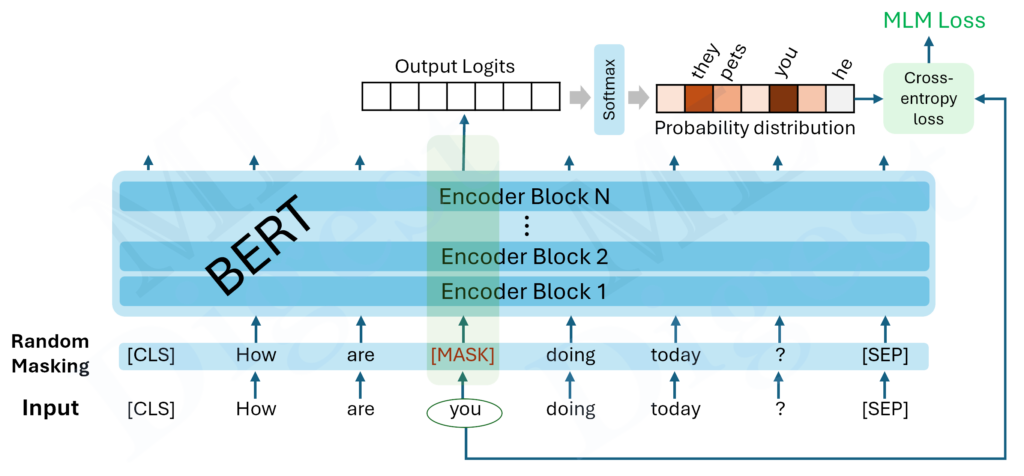
BERT (Bidirectional Encoder Representations from Transformers), introduced by Google in 2018, allows for powerful contextual understanding of text, significantly impacting
BERT Explained: A Simple Guide Read More »