
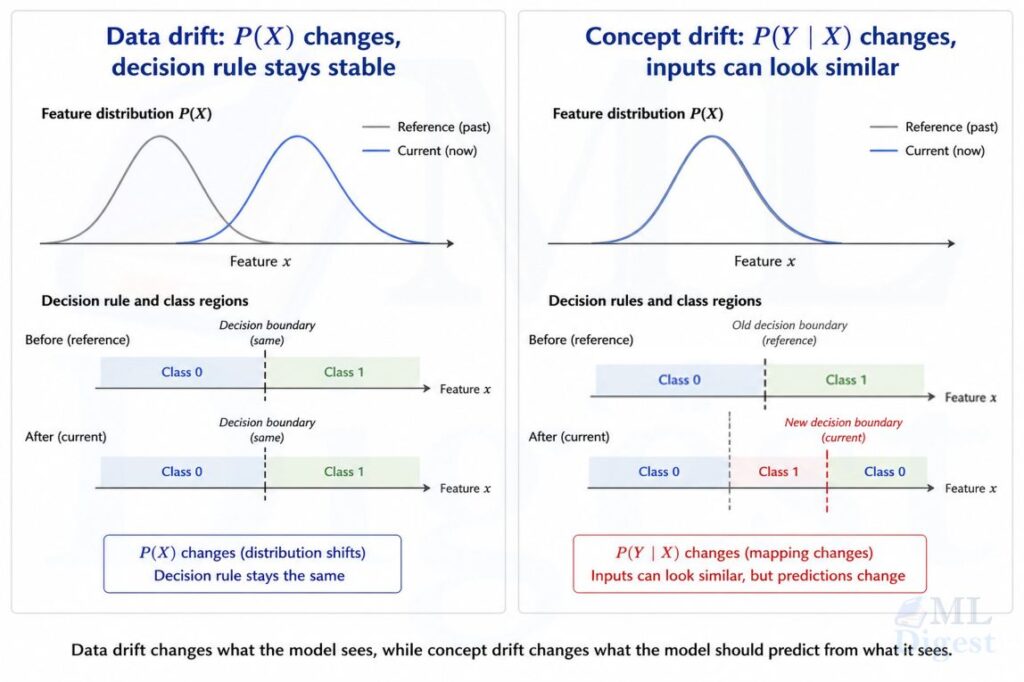
Data Drift vs Concept Drift
Consider a spam filter trained in 2010. By 2020, users receive far more promotional newsletters than before. The types of […]
Data Drift vs Concept Drift Read More »

Consider a spam filter trained in 2010. By 2020, users receive far more promotional newsletters than before. The types of […]
Data Drift vs Concept Drift Read More »
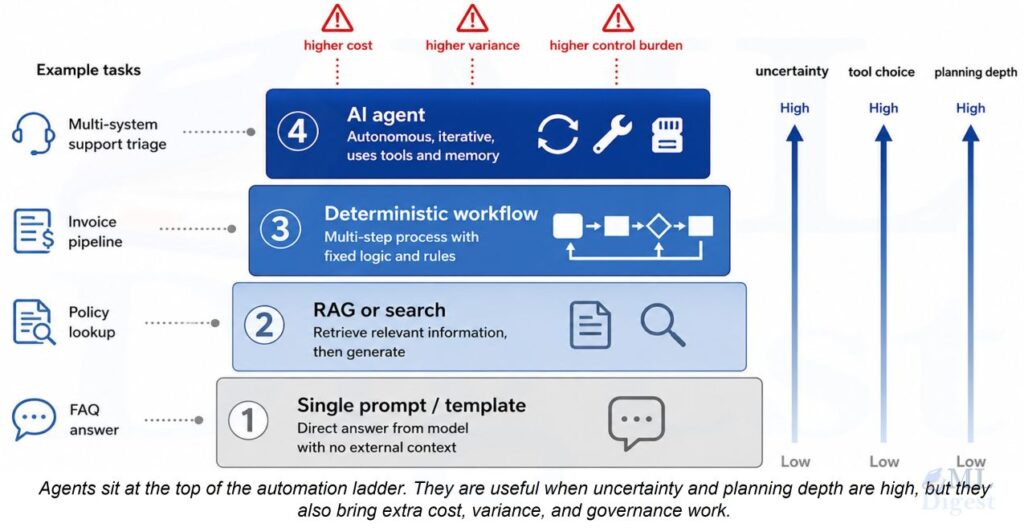
AI agents are often used where a script, workflow, or simpler model would do the job better. If the task
When Not to Use an AI Agent Read More »
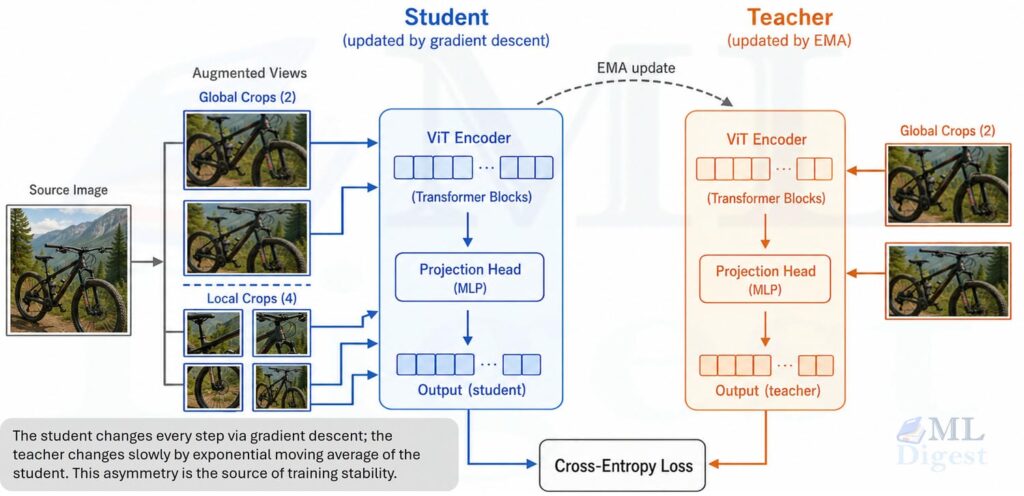
Paper: DINO: Emerging Properties in Self-Supervised Vision Transformers (Caron et al., 2021), DINOv2: Learning Robust Visual Features without Supervision (Oquab
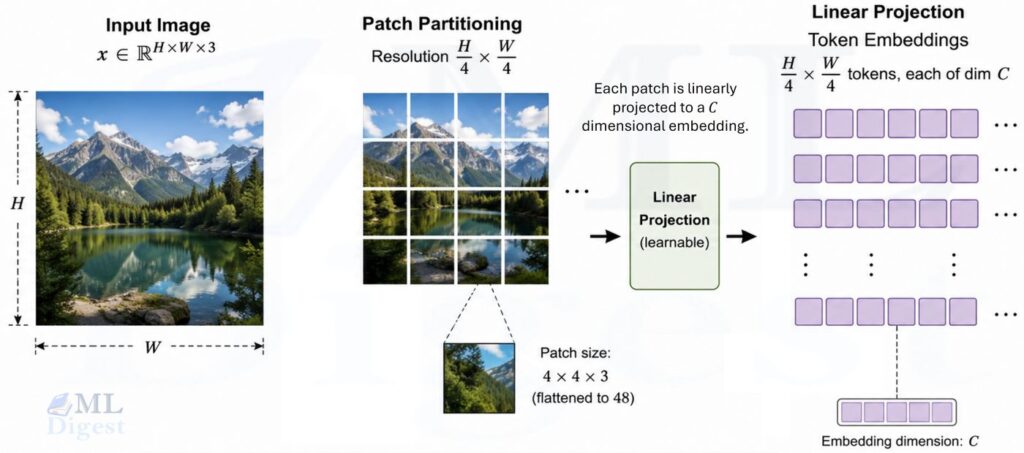
Paper: Swin Transformer: Hierarchical Vision Transformer using Shifted Windows (Liu et al., 2021), Swin Transformer V2: Scaling Up Capacity and
Swin Transformer Made Easy: A Hierarchical Vision Transformer with Shifted Windows Read More »
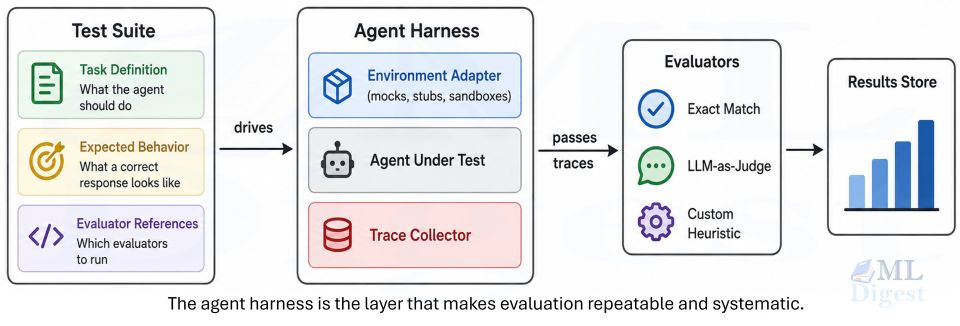
Imagine you are hiring a new employee who will have access to your email, your calendar, your code repositories, and
Agent Harness Made Easy: How AI Agents Are Run, Tested, and Evaluated Read More »
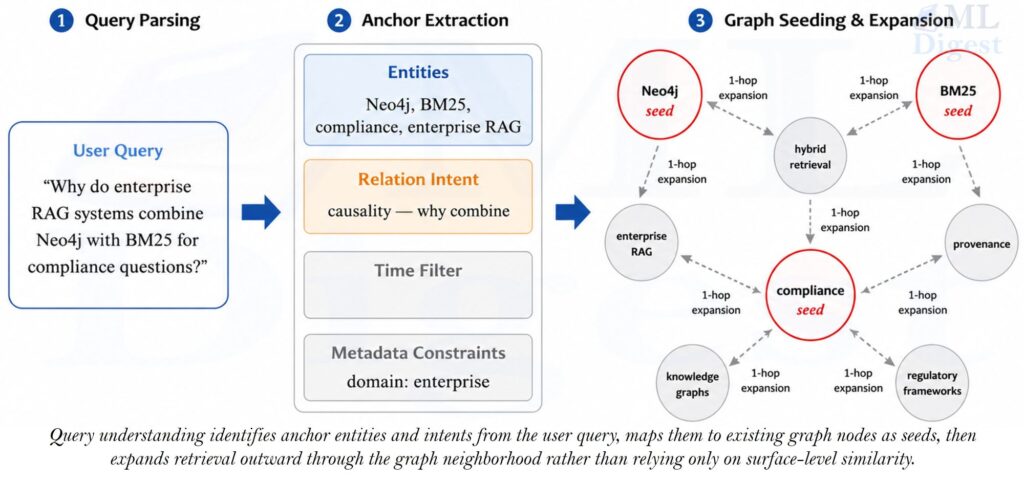
Imagine two researchers working side by side at the same desk. The first one searches for answers by scanning text
Is GraphRAG Really Worth It? A Practical Guide to When Graph Structures Actually Help Read More »
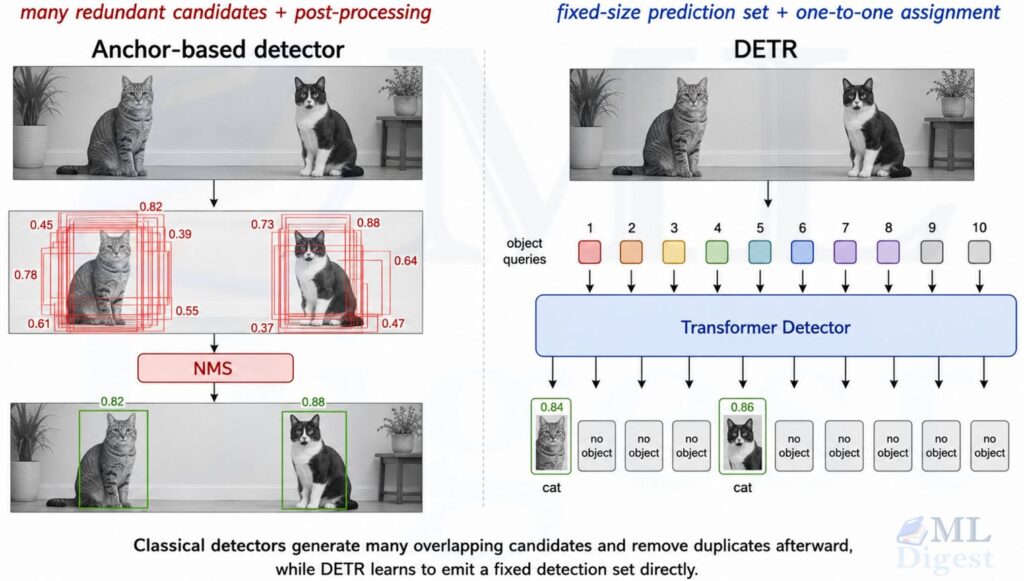
Paper: End-to-End Object Detection with Transformers (Carion et al., 2020) Imagine you are a detective assigned to a crime scene.
Detection Transformers (DETR) Made Easy: End-to-End Object Detection with Transformers Read More »
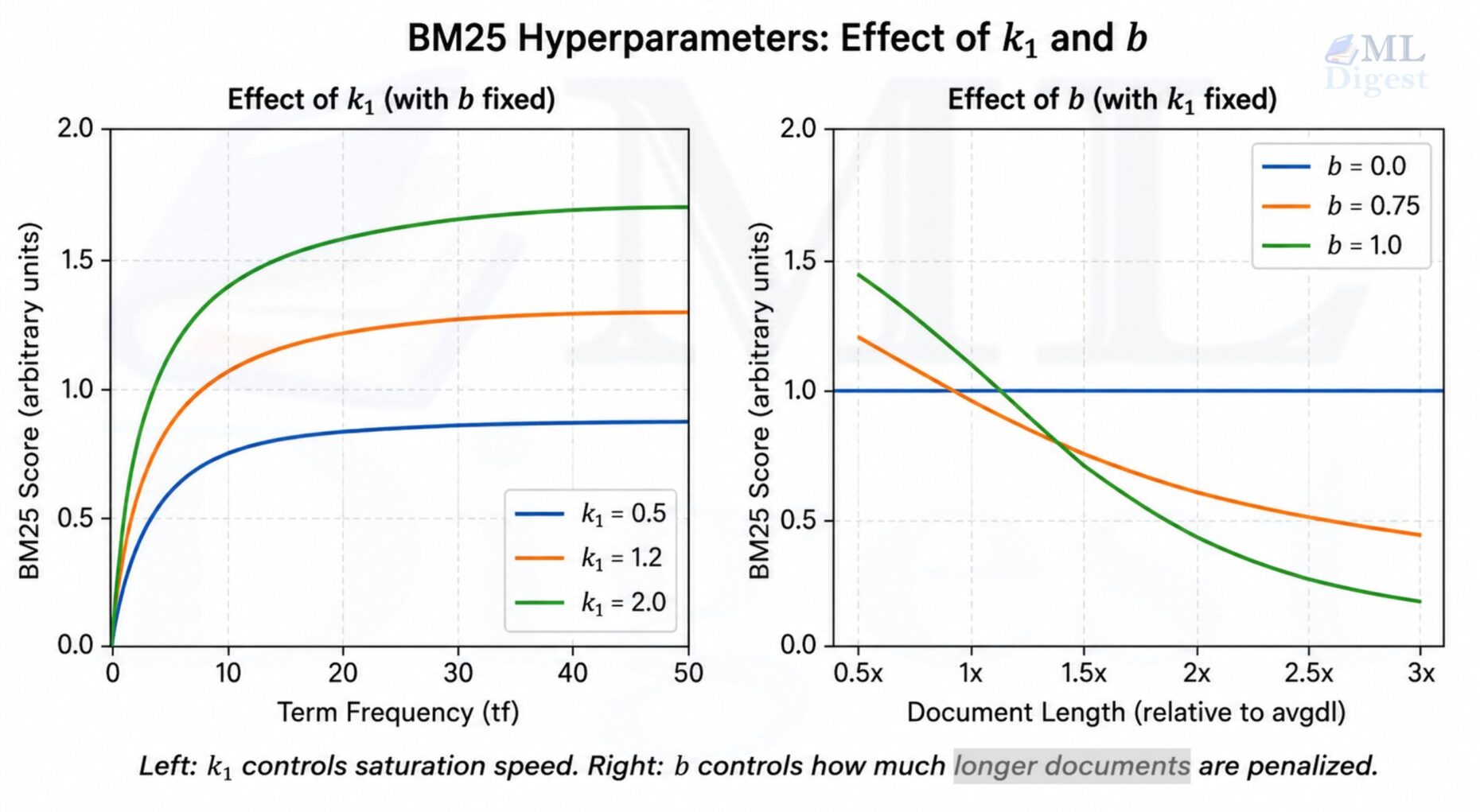
Imagine you are searching a library for books about “neural networks.” A naive librarian might hand you every book that
BM25 Made Easy: Visualizing the Core of Modern Search Read More »
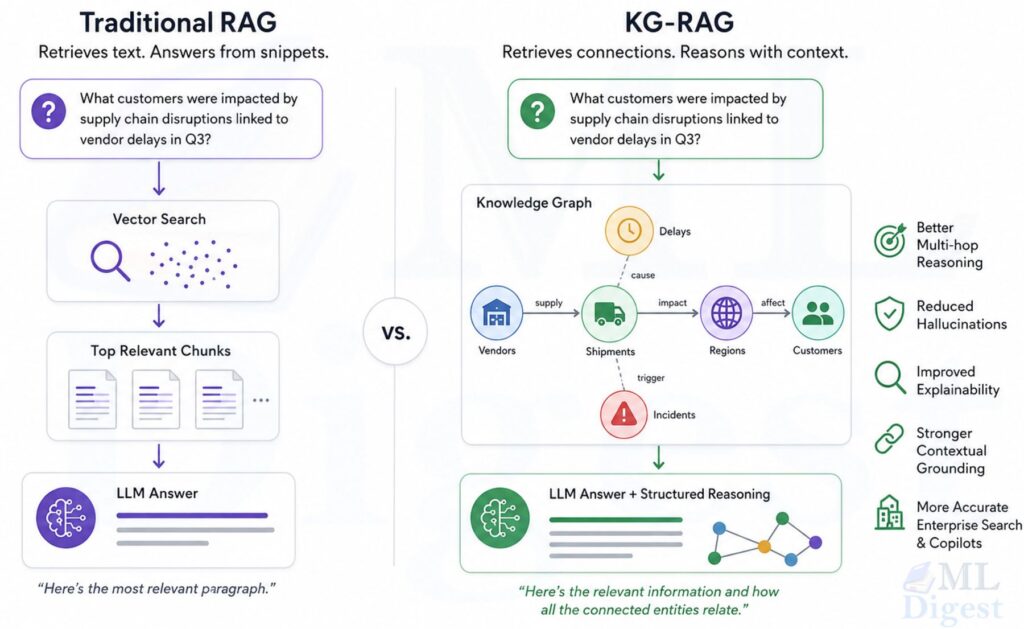
Imagine a research assistant standing in a library. A standard retrieval-augmented generation (RAG) system gives that assistant a stack of
What Are Knowledge Graph-Based RAG Systems? Complete Beginner’s Guide Read More »
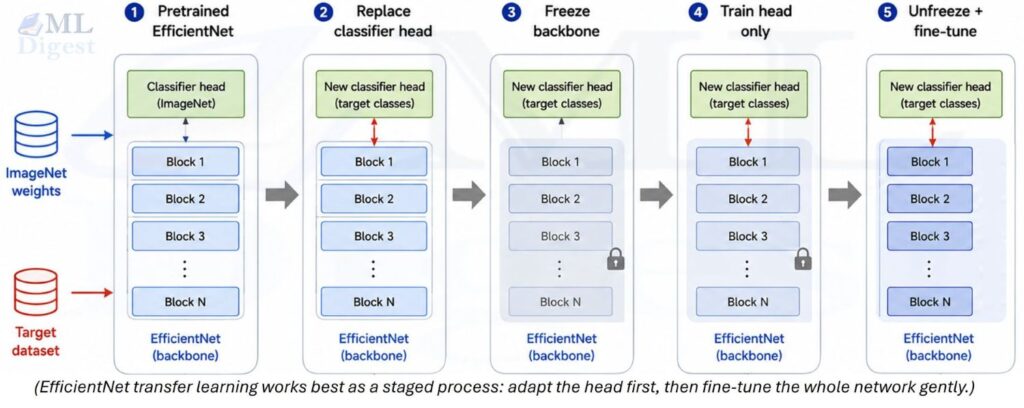
Paper: EfficientNet: Rethinking Model Scaling for Convolutional Neural Networks (Tan et al., 2019) Imagine you are building a factory that
EfficientNet Made Easy: Accuracy Through Principled Scaling Read More »
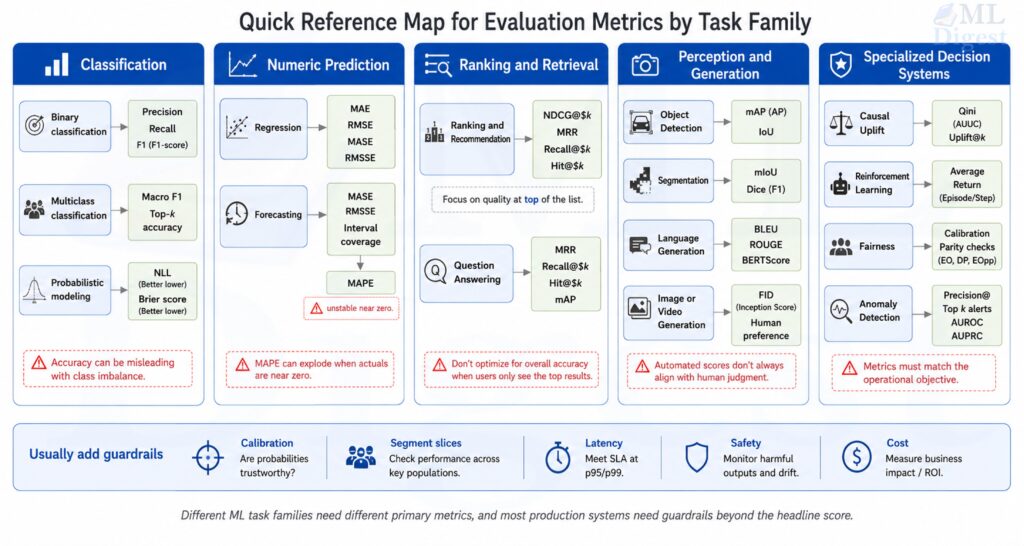
Imagine that two doctors examine the same patient and both say, “The treatment worked.” One doctor means the fever dropped.
Evaluation Metrics in Machine Learning: A Practical Field Guide Read More »
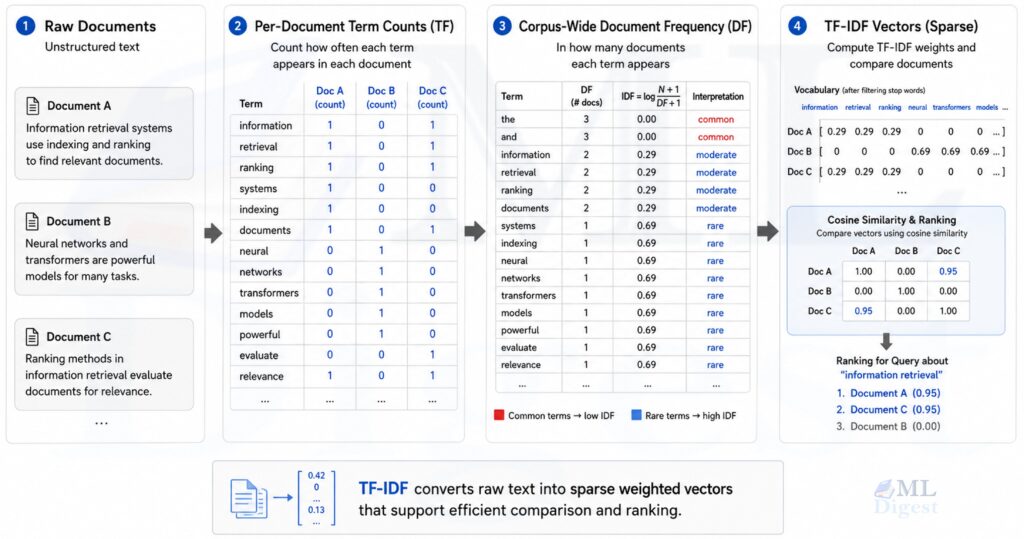
Imagine walking into a library where every book has a helpful librarian attached to it. If you ask about a
TF-IDF Made Easy: Intuition, Mathematics, and Python Implementation Read More »