
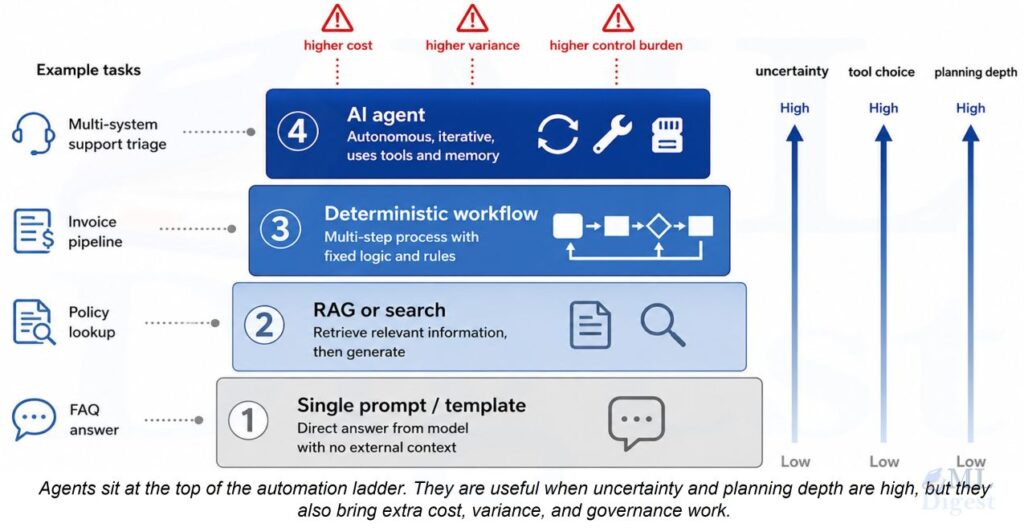
When Not to Use an AI Agent
AI agents are often used where a script, workflow, or simpler model would do the job better. If the task […]
When Not to Use an AI Agent Read More »
AI agents are often used where a script, workflow, or simpler model would do the job better. If the task […]
When Not to Use an AI Agent Read More »
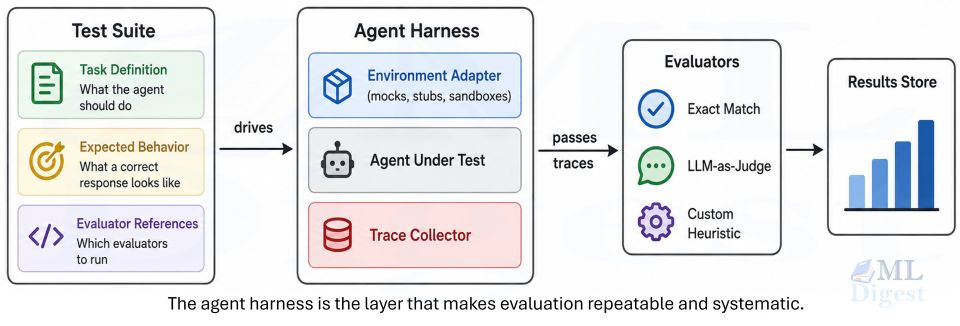
Imagine you are hiring a new employee who will have access to your email, your calendar, your code repositories, and
Agent Harness Made Easy: How AI Agents Are Run, Tested, and Evaluated Read More »
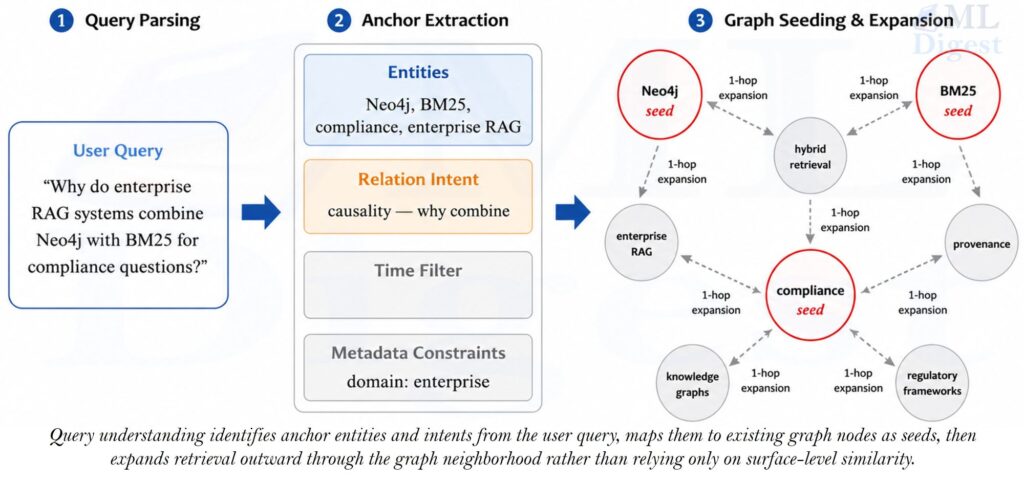
Imagine two researchers working side by side at the same desk. The first one searches for answers by scanning text
Is GraphRAG Really Worth It? A Practical Guide to When Graph Structures Actually Help Read More »
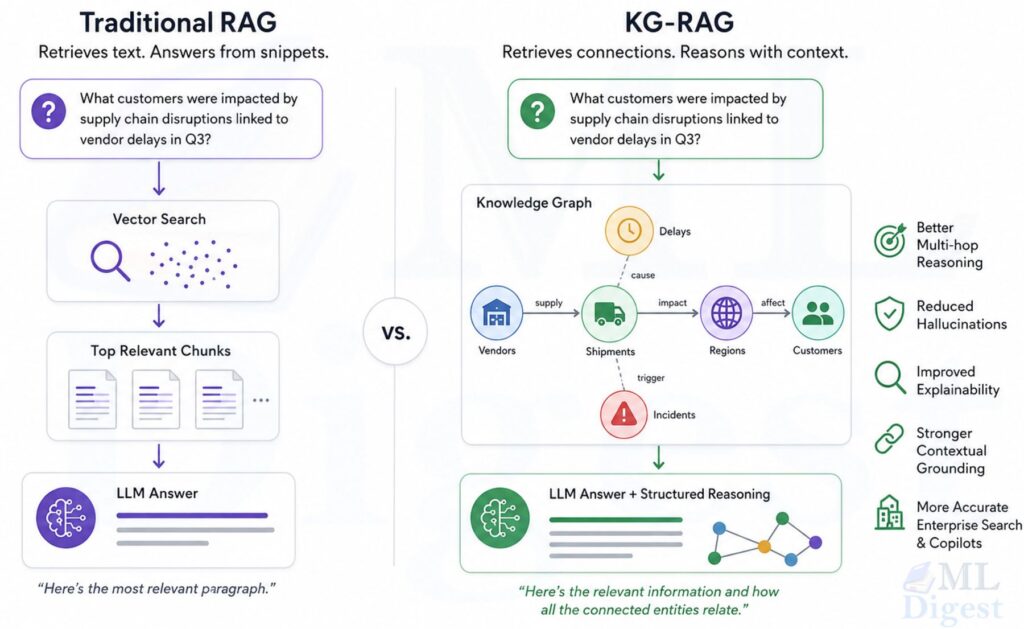
Imagine a research assistant standing in a library. A standard retrieval-augmented generation (RAG) system gives that assistant a stack of
What Are Knowledge Graph-Based RAG Systems? Complete Beginner’s Guide Read More »
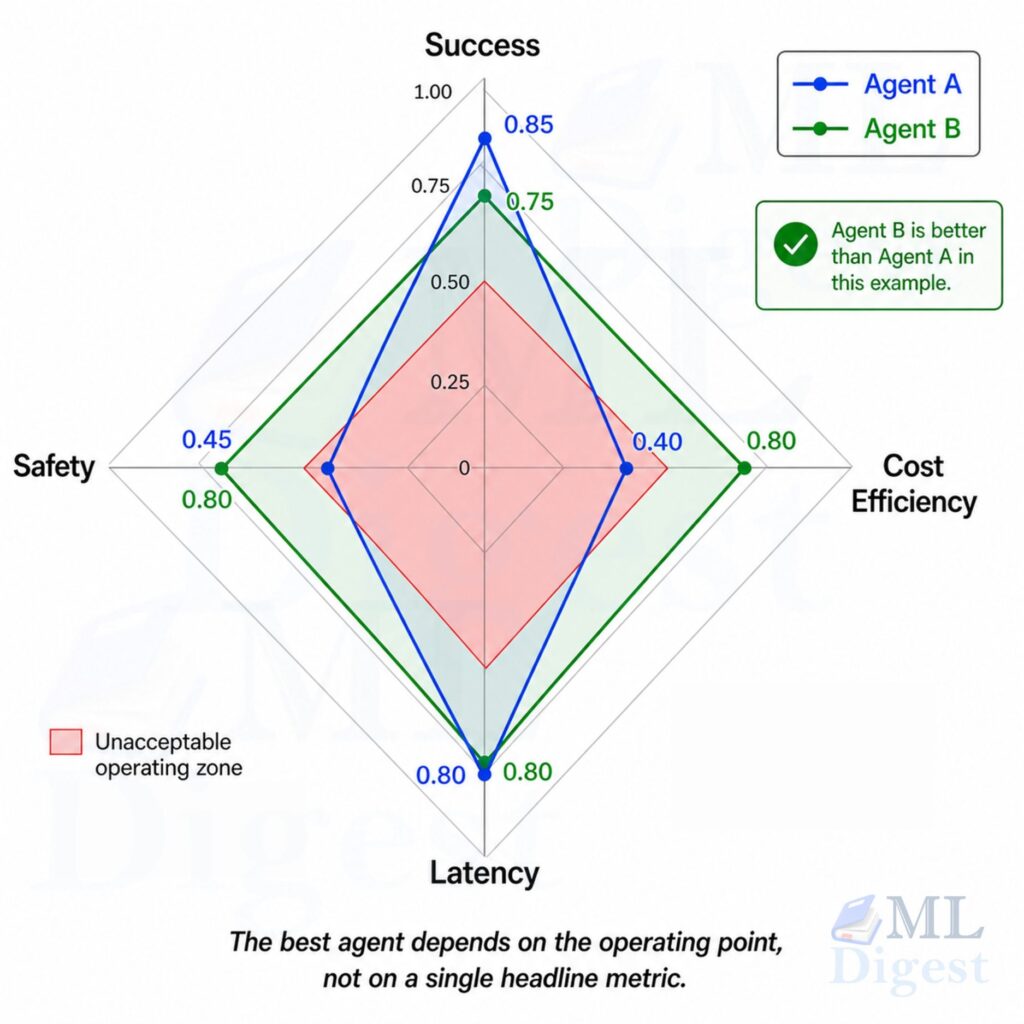
Imagine hiring a new teammate who can search the web, write code, call APIs, and make decisions without asking for
How to Evaluate Agentic Systems: Methods, Metrics, and Best Practices Read More »
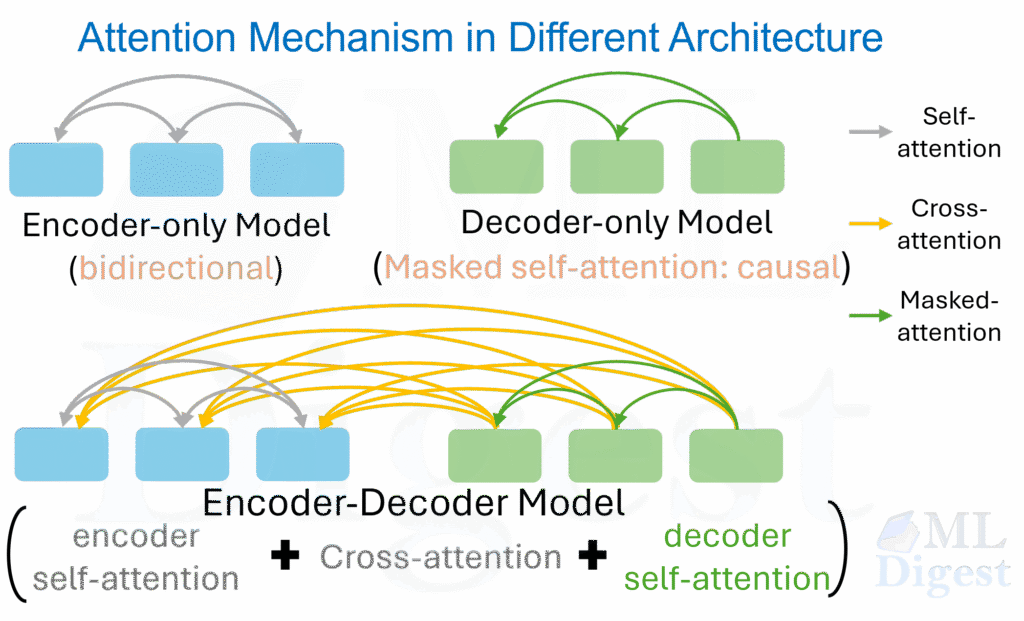
In ML, attention is the mechanism that lets a model decide which pieces of information deserve focus at each step.
Attention Mechanisms Made Easy: All Types Explained in One Post Read More »
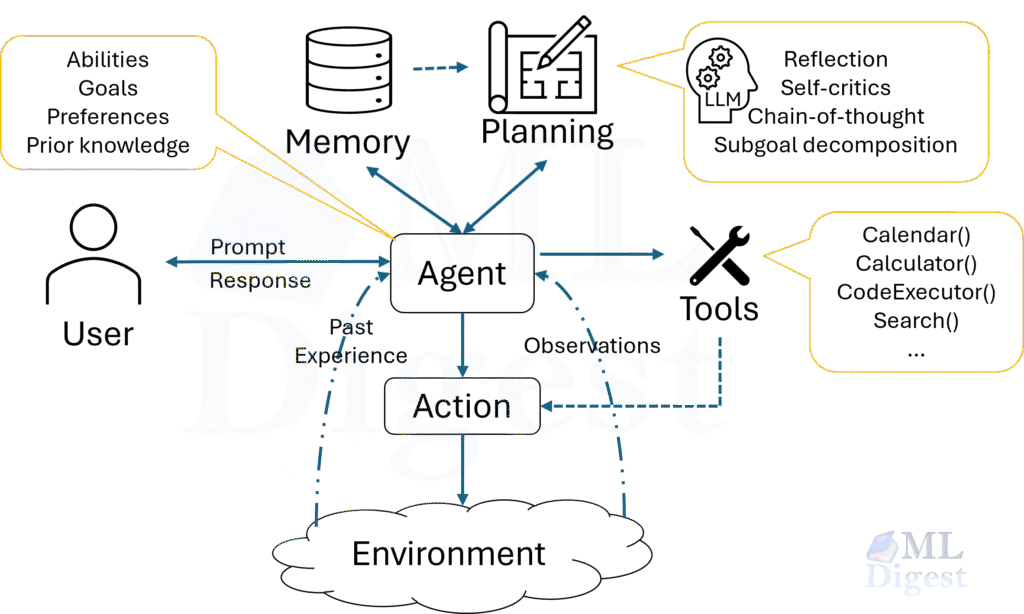
A production agentic AI system is like a well-run restaurant: success depends not on a single chef or dish, but
Agentic AI Ecosystem Explained: How To Design, Integrate, And Deploy At Scale Read More »
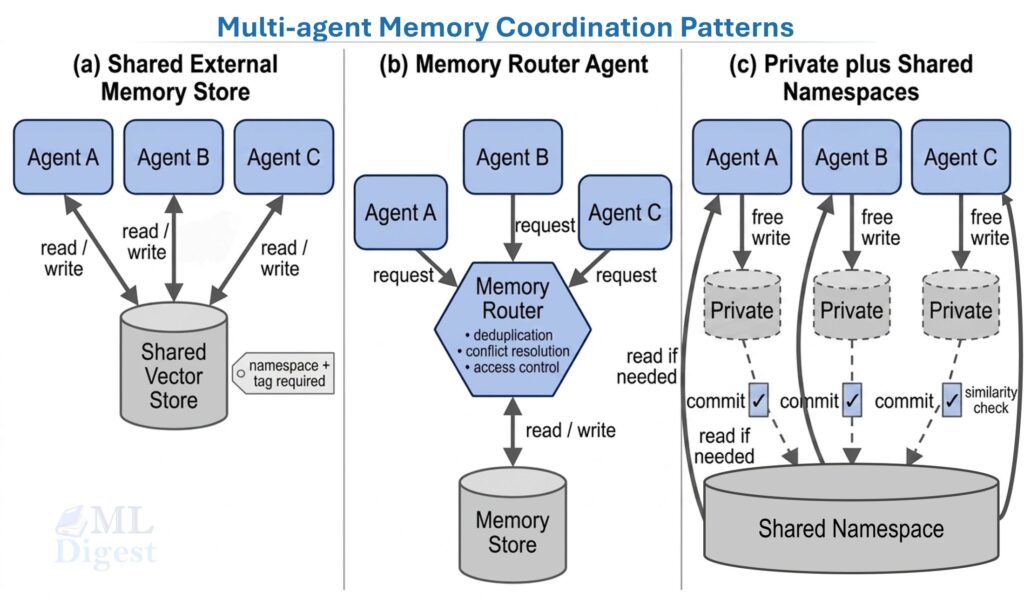
Think about your first week at a new job. Every new piece of information lands on a sticky note. By
How Agentic AI “Remembers”: Breaking Down Memory Layers and Design Read More »
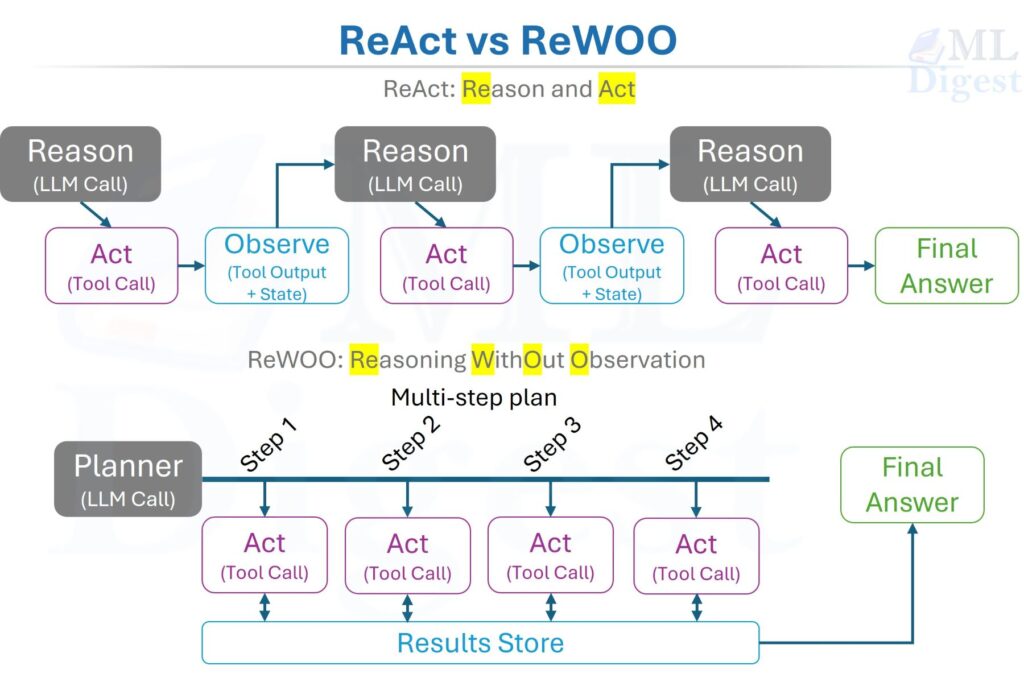
Imagine you are starting a new job as a research analyst. On your first day, your manager hands you a
Single-Agent AI Systems Made Simple: Patterns, Design, and Examples Read More »
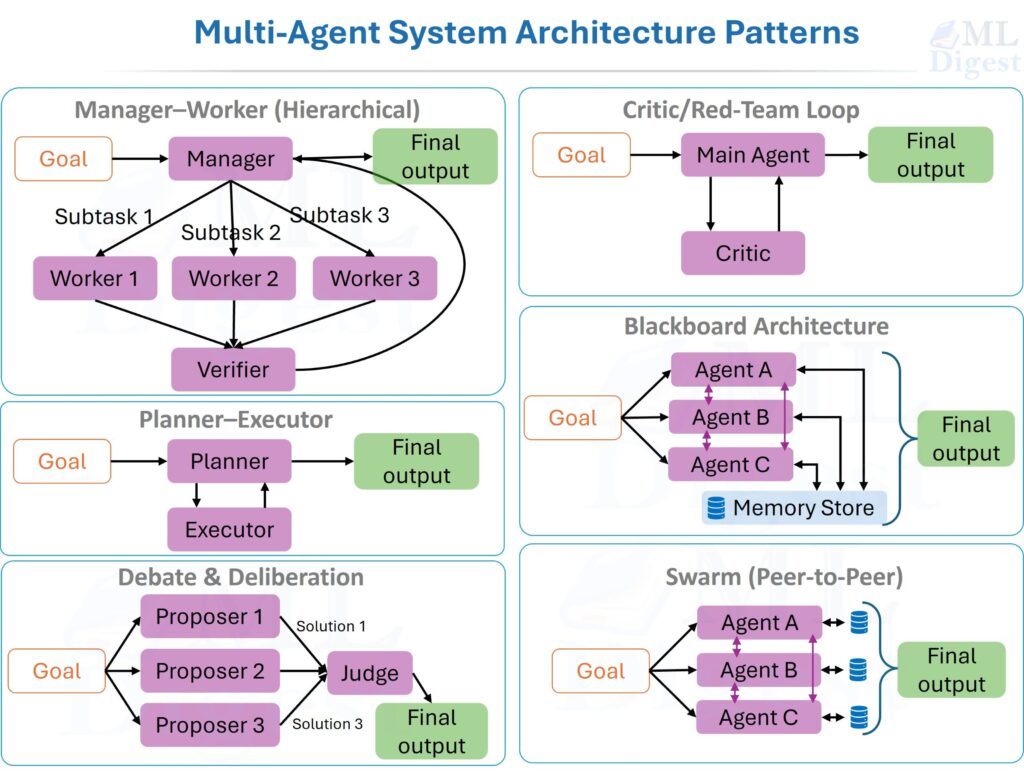
Imagine you need to write a detailed technical report on a topic you know nothing about yet. You could ask
What Are Multi-Agent Systems? A Complete Guide to MAS in AI Read More »
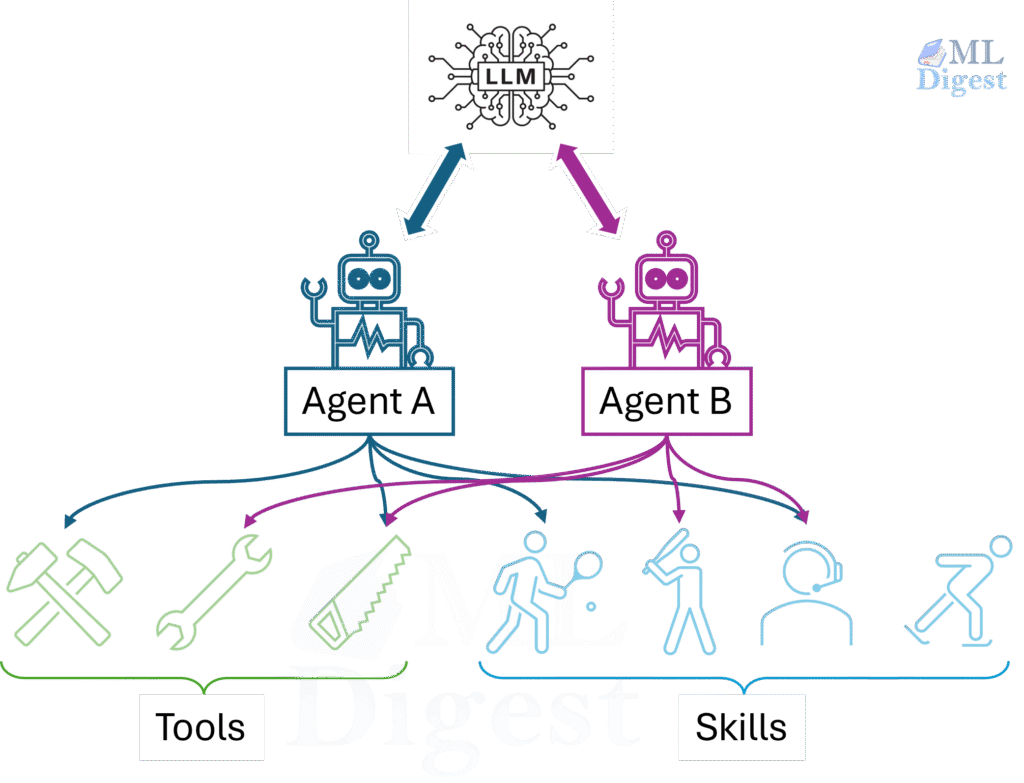
Imagine an AI agent as a highly capable generalist engineer walking into a new team on the first day. It
Agent Skills: A Practical Guide to Extending AI Agents with Reusable Expertise Read More »
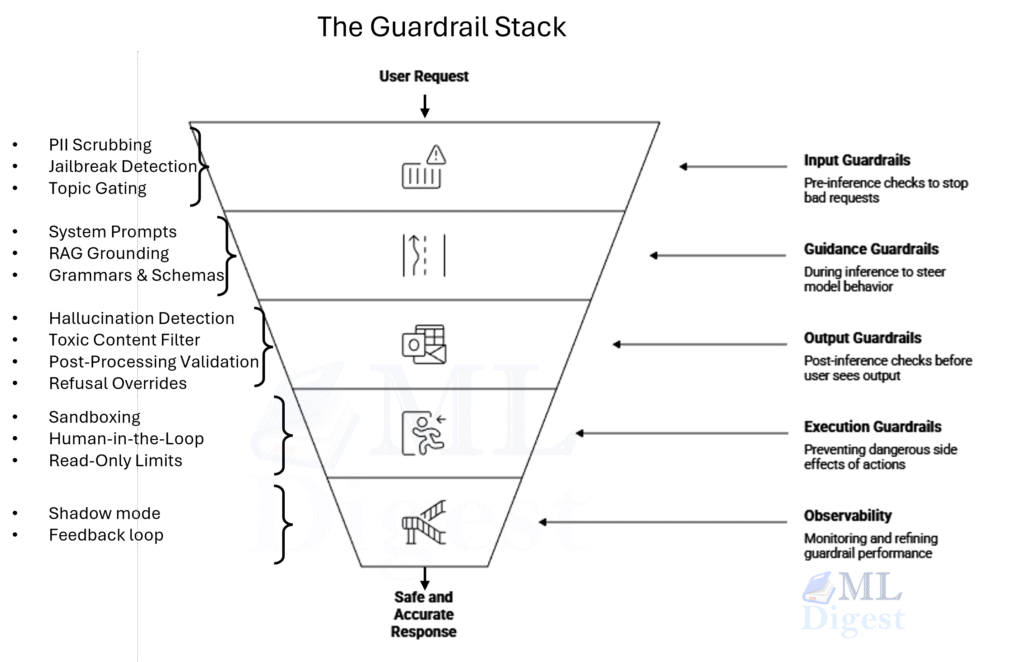
Guardrails are the technical and operational controls that reduce the chance an LLM system causes harm, violates policy, leaks sensitive
Guardrails for LLMs: A Practical, Technical Guide Read More »