
Predictive vs. Generative Models: A Quick Guide
In ML, predictive and generative models are two fundamental approaches to building ML models. While both have their unique strengths […]
Predictive vs. Generative Models: A Quick Guide Read More »
In ML, predictive and generative models are two fundamental approaches to building ML models. While both have their unique strengths […]
Predictive vs. Generative Models: A Quick Guide Read More »
SmolLM2 is a family of compact language models, available in three sizes: 135M, 360M, and 1.7B parameters. These models are
SmolLM2: Revolutionizing LLMs For Edge Read More »
Qwen2.5 marks a significant milestone in the evolution of open-source language models, building upon the foundation established by its predecessor,
Exploring the Power of Qwen: Alibaba’s Advanced Language Models Read More »
Key Features of the Dataset The dataset used to train Smollm2 is a critical component of its success. Here are
Smoltalk: Dataset Behind SmolLM2’s Success Read More »
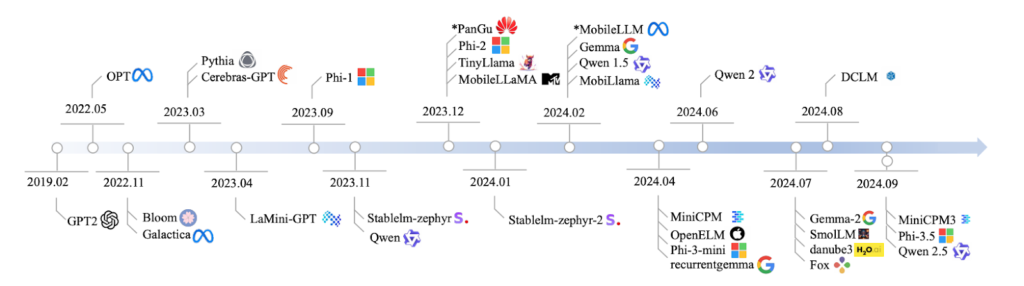
The emergence of small language models (SLMs) is poised to revolutionize the field of artificial intelligence. These models, exemplified by
SLM: The Next Big Thing in AI Read More »
Understanding the historical context and evolution of machine learning not only provides insight into its foundations but also illustrates its
Historical Context and Evolution of Machine Learning Read More »
In the rapidly evolving landscape of artificial intelligence, the demand for efficient, accurate, and resource-friendly language models has never been
Squid: A Breakthrough On-Device Language Model Read More »
Nexa AI unveiled the OmniVision-968M, a compact multimodal model engineered to handle both visual and text data. Designed with edge devices in
OmniVision: A Multimodal AI Model for Edge Read More »
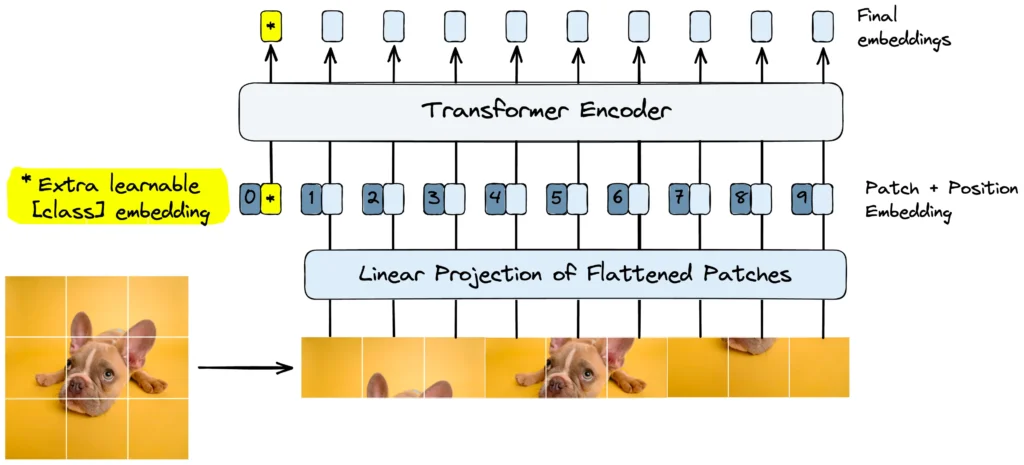
To compute the number of tokens in a Vision Transformer (ViT), it’s essential to understand how images are processed and
How To Compute The Token Consumption Of Vision Transformers? Read More »
Mojo is a new programming language specifically designed for AI development. It was officially launched in August of 2023 and
Mojo: A Comprehensive Look at the New Programming Language for AI Read More »